Preserving Old Vineyards
Old vines are essential to protecting Mendoza’s unique viticultural heritage. LUCA Wines was created in 1999 with the specific mission to save these old vineyards from extinction.
Mendoza’s old vines, many between 70 and 100 years old, are under constant threat from economic pressures and urban expansion. LUCA’s economic strategy was built to ensure the viability of these sites for the small growers who manage them. By paying per hectare rather than per ton, LUCA incentivizes quality over quantity, making low-yielding old vines profitable for the for the producers. The winery often takes on vineyard mainte ance costs in exchange for grape supply agreements, while the Catena Institute provides critical technical support on everything from soil health to irrigation.
This preservation work unfolds in two key areas:
In-Situ (On-Site) Preservation: Vineyard Initiatives
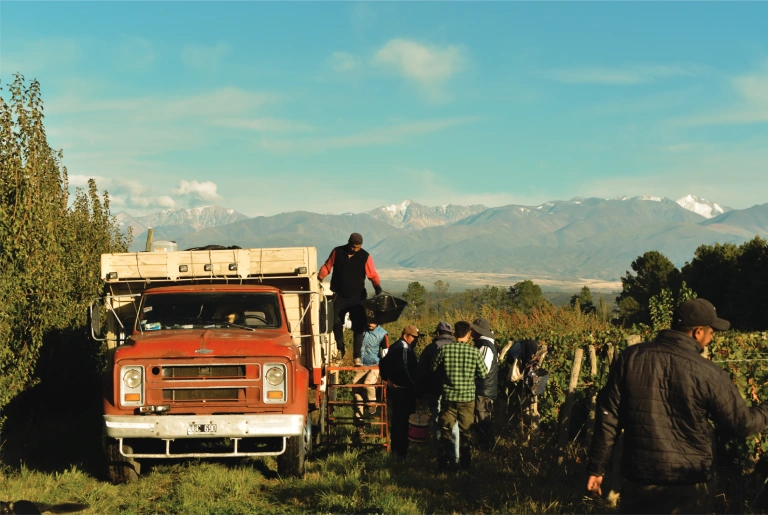
Luján de Cuyo Initiative
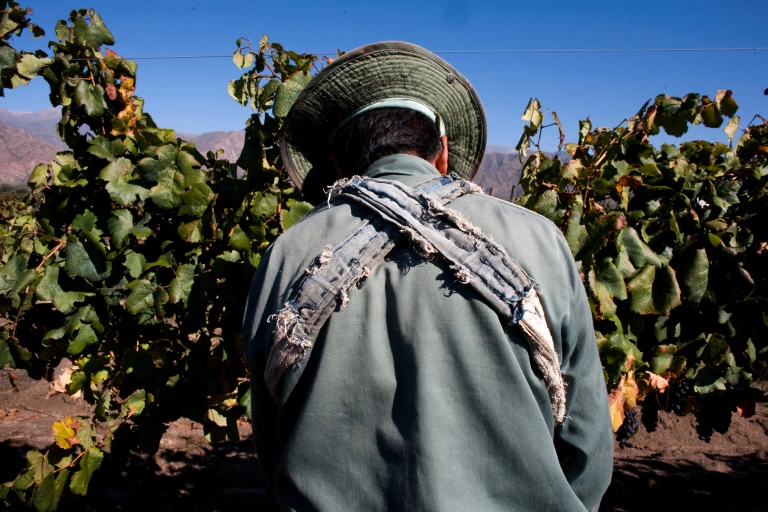
Salta Preservation Project
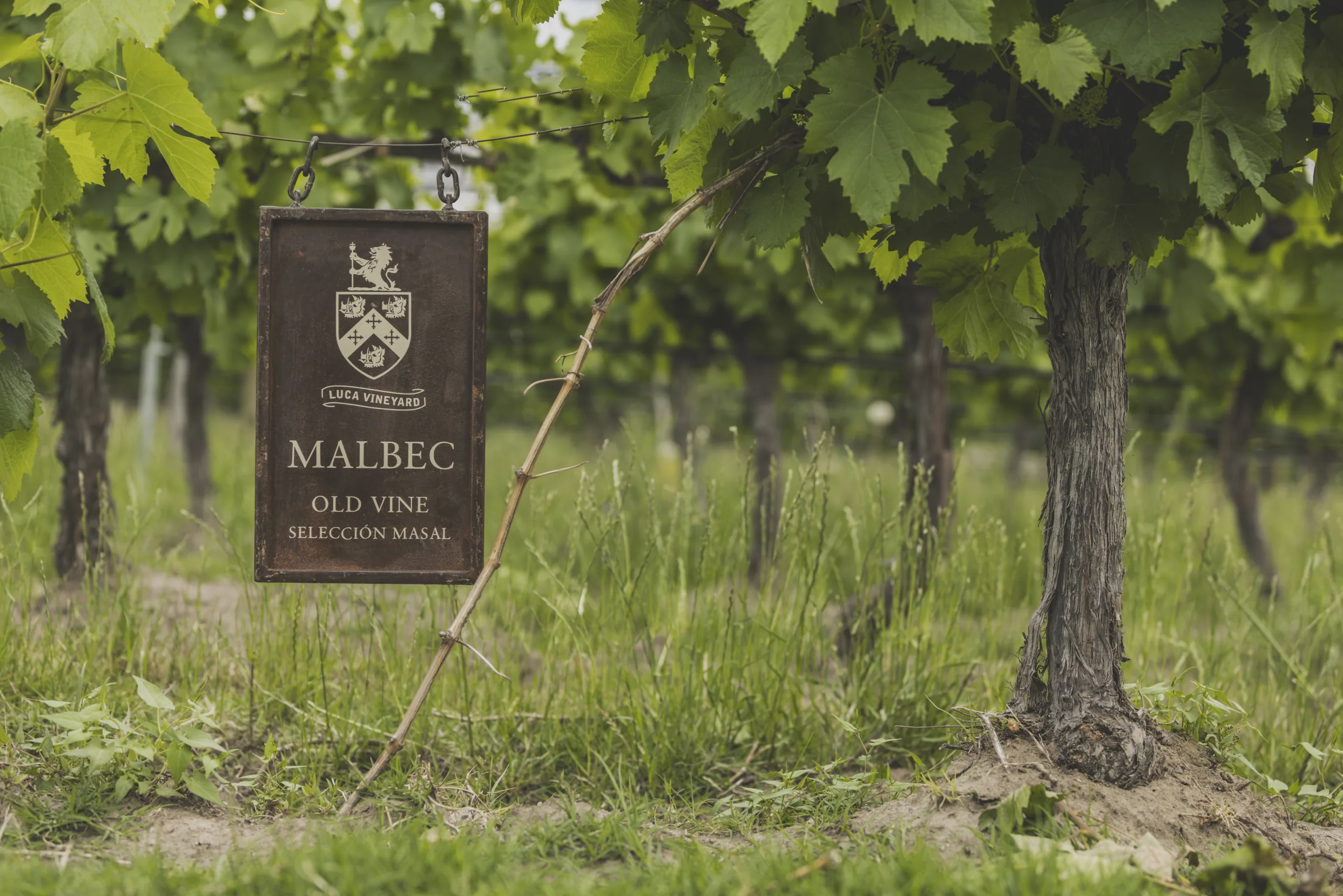
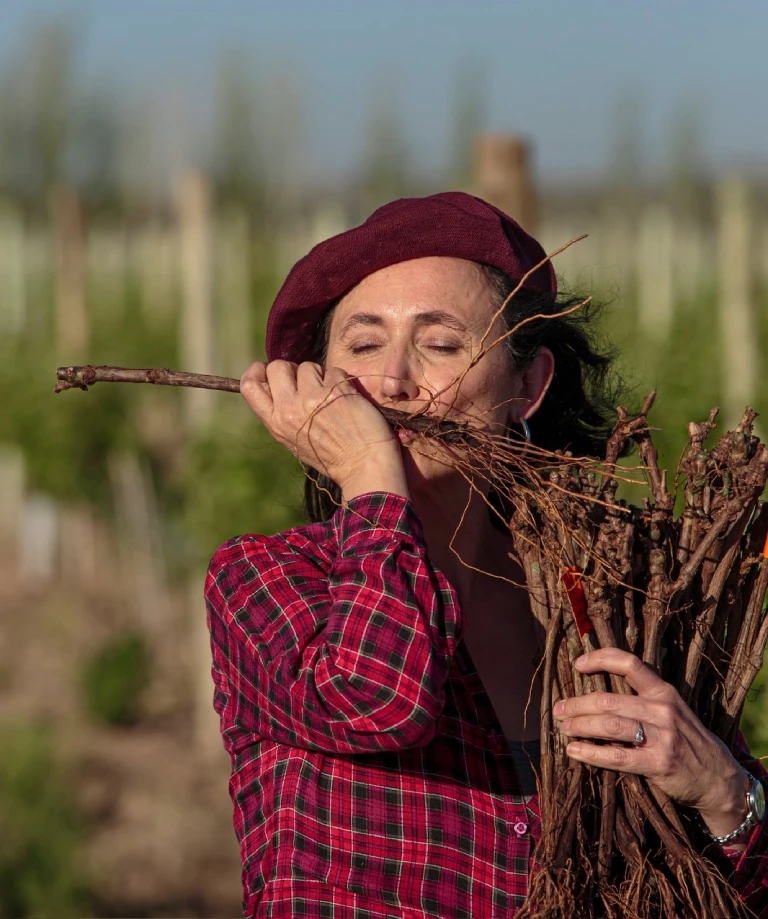
The Mugrón Experiment
Ex-Situ (Off-Site) Preservation: Methods to Preserve Massale Selections
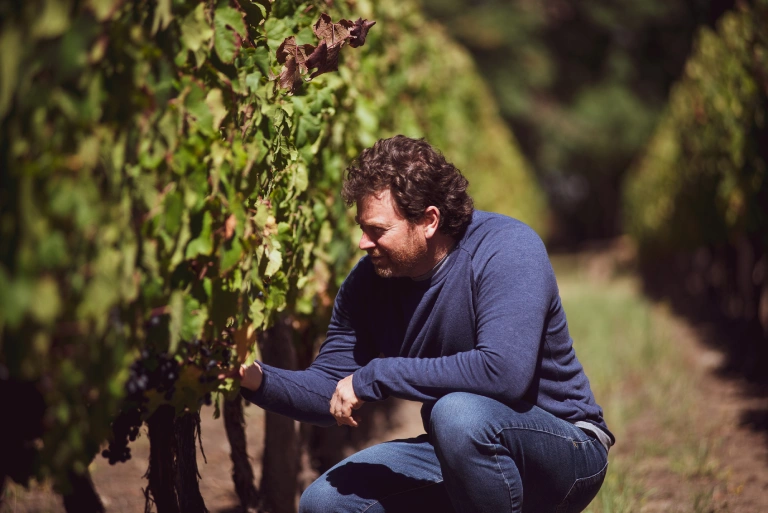
SELECTION
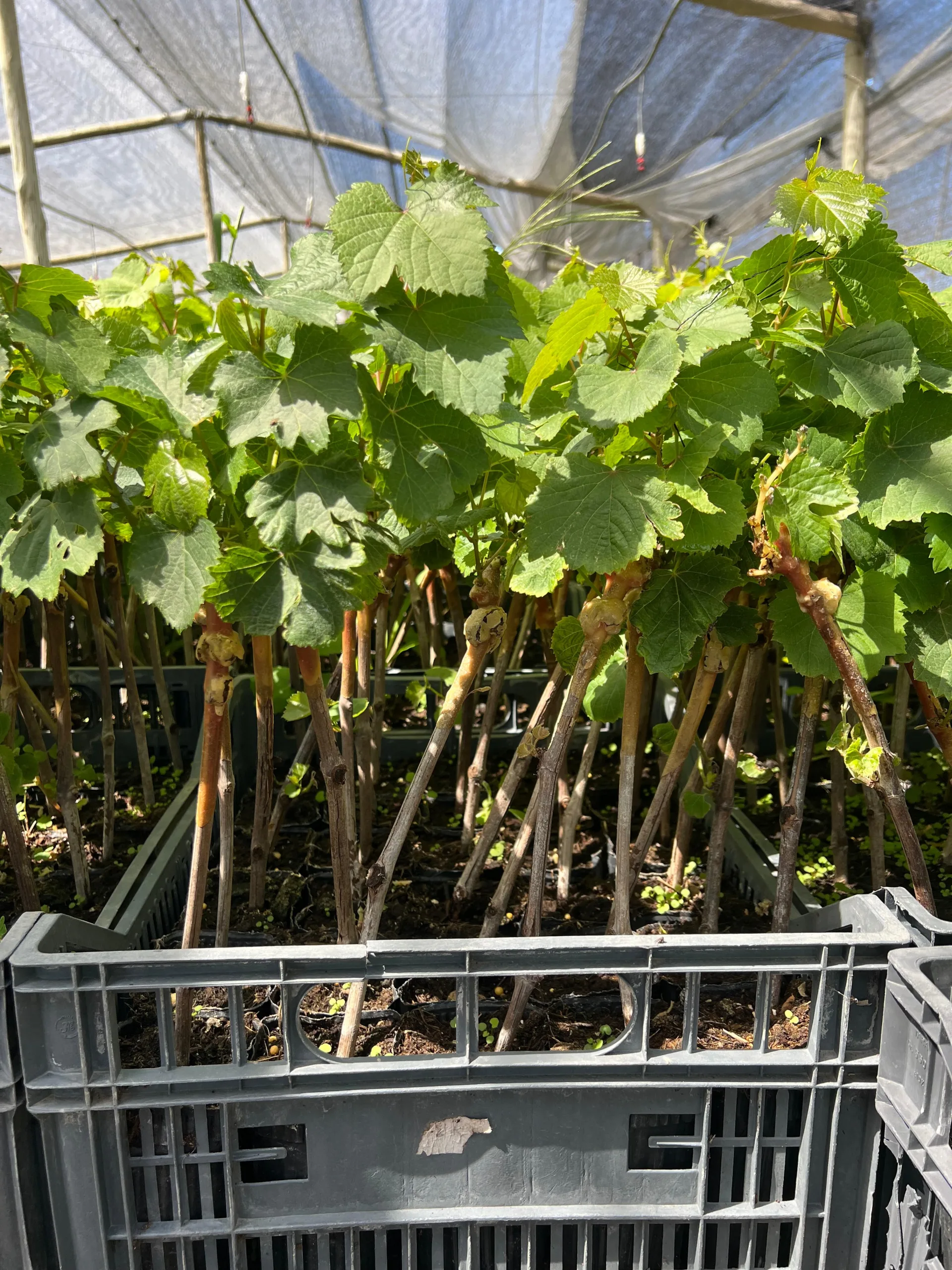
CUTTINGS
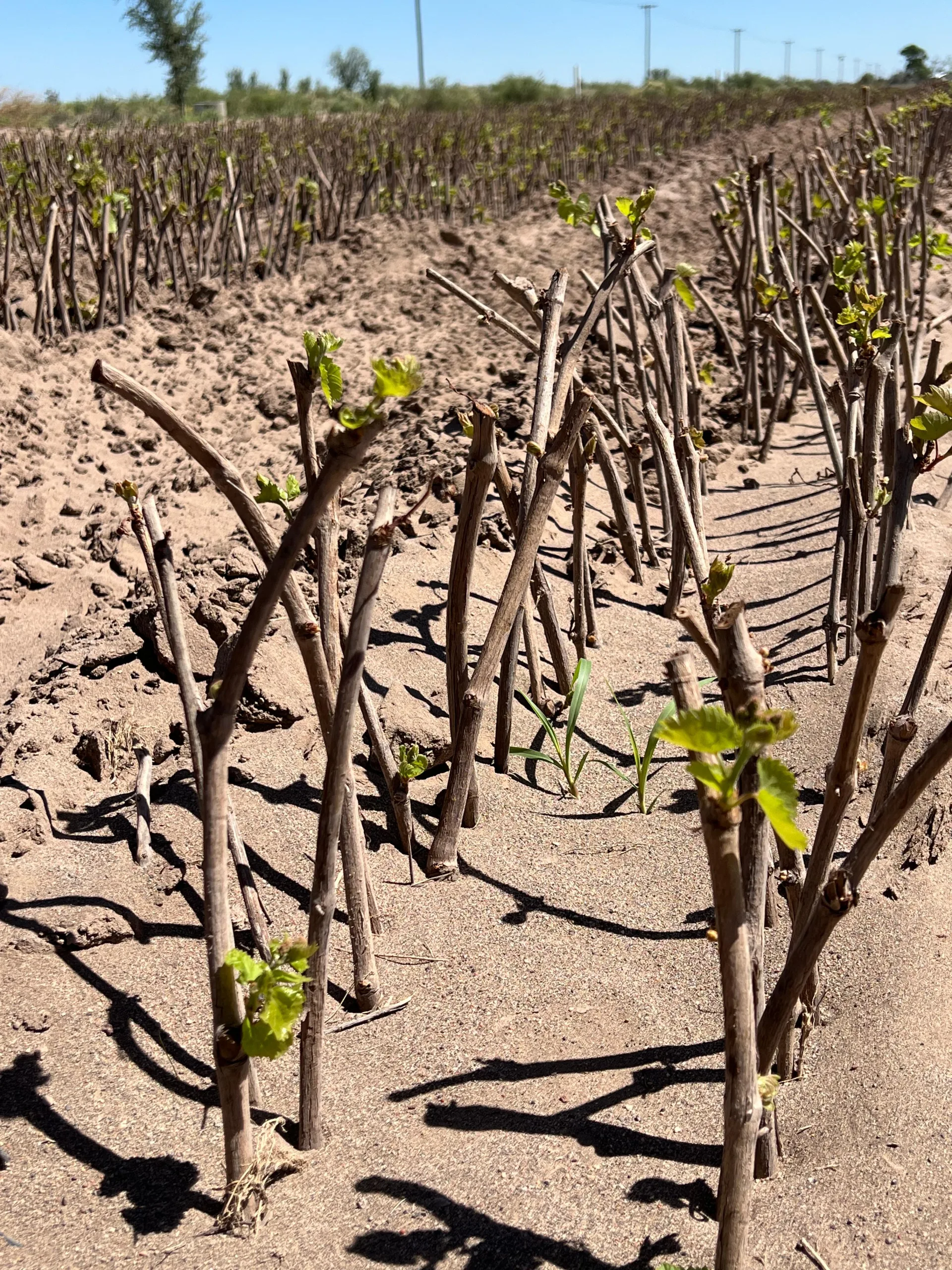
HYDRATION
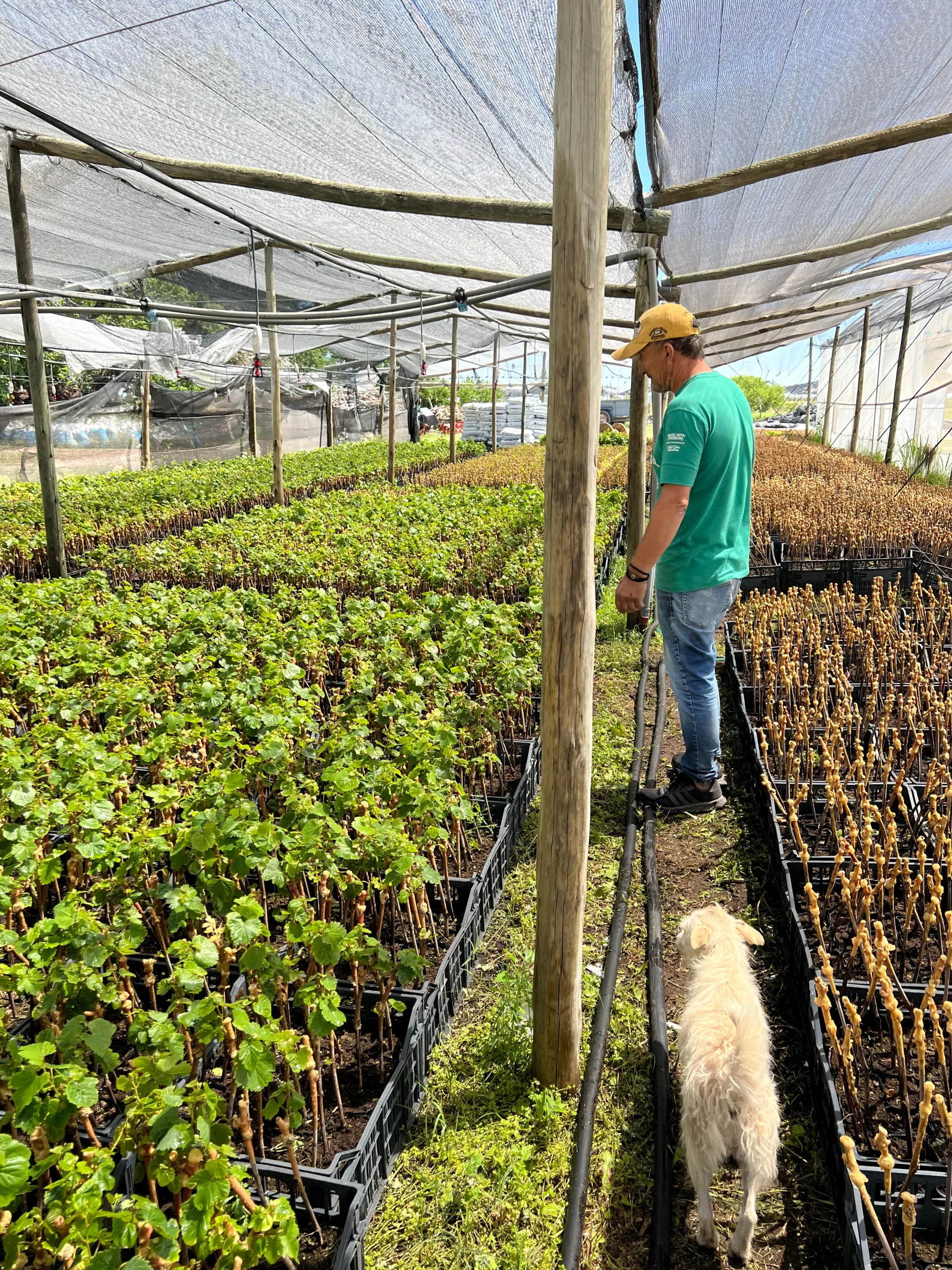
PROPAGATION
The Science and Preservation of Old Vines
Intrigued by her own blind tastings of old versus new vine lots, Laura Catena initiated a series of scientific experiments at the Catena Institute to test the hypothesis that older plants produce more concentrated, higher-quality fruit.
Managed by small, multi-generational family growers, these historic vineyards today are sustained by rigorous scientific research, preservation initiatives, and biodiversity studies. A collaborative effort between the Catena Institute of Wine and local research
institutions like INTA, CONICET, and the National University of Cuyo works to assess and safeguard Argentina’s century-old vines. This includes studies on phylloxera risk, experiments that prove the superior quality of old-vine fruit and programs that protect the genetic legacy of these vineyards for the future.
Here are two sample studies:
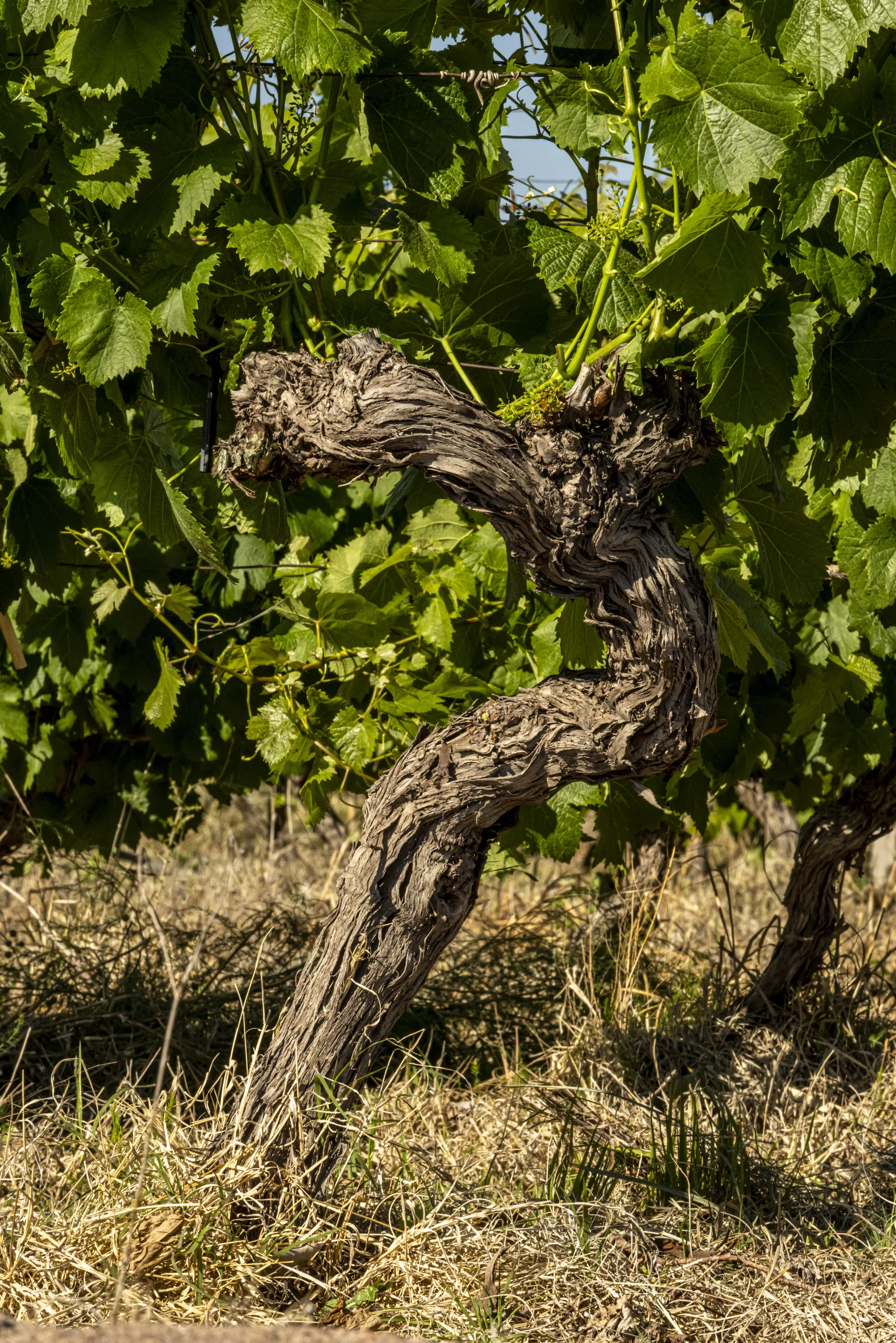
The Malbec Vine Age Experiment
Initiated in 2003, the objective of this experiment was to find potential differences in wines sourced from young and old Malbec plants grown in the same soil type. The study was set up in Lot 18 of the 80-year-old Angélica vineyard, which uniquely contains both original old vines and young vines propagated from them via layering (mugrón).
The methodology was: yields for both lots were set to 8,000 kg/hectare. From veraison (the onset of ripening), the berries were analyzed for anthocyanins, tannins, acidity, and pH. The pruned material was weighed to compare the vegetative expression of the lots after harvest. The two lots were then harvested and vinified separately in 500-liter stainless steel tanks to be analyzed and blind tasted.
Preliminary results from the first year showed a significant difference in the totals of anthocyanins and catechins between the old and young vines, which was the primary reason for extending the experiment to include micro vinifications. The results were unequivocal: Old vines make better wine.
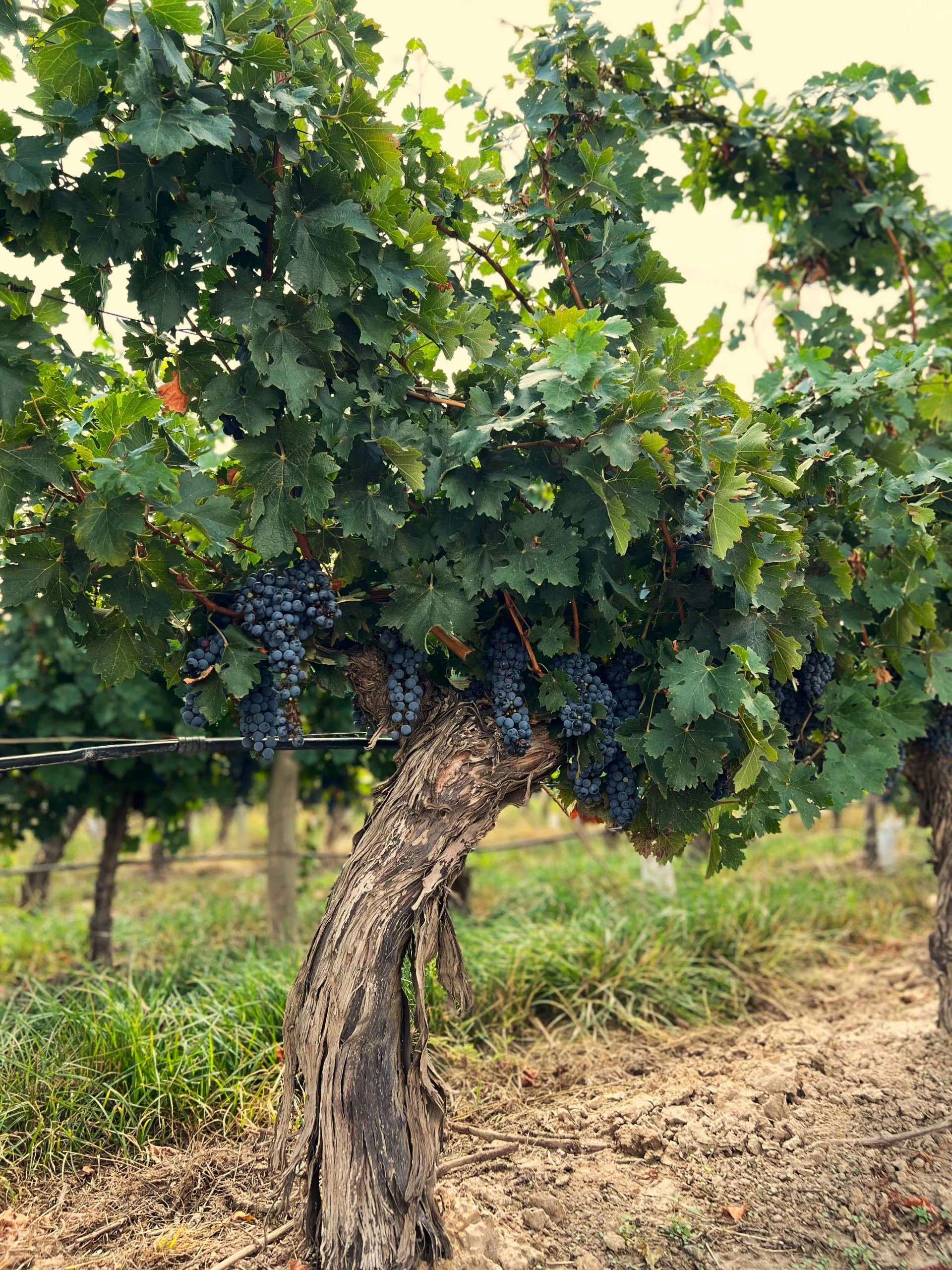
The Cabernet Sauvignon Case
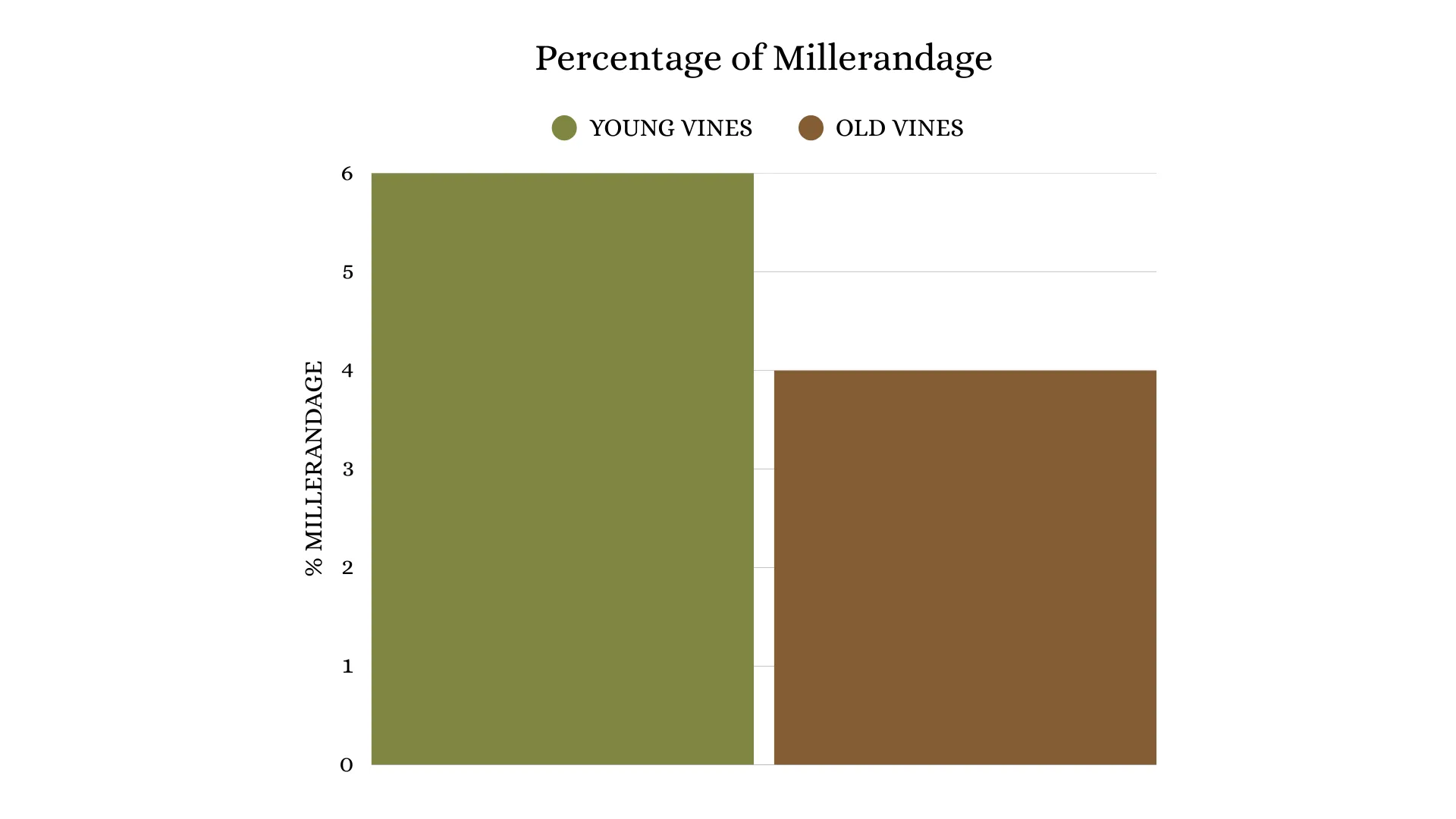
A similar comparison was made for Cabernet Sauvignon, using vines over 30 years old against vines younger than 5 years old (also from layering). With yields standardized, preliminary data suggested that the old vines produced smaller clusters with fewer berries per bunch. The study also found that millerandage (a condition where berries fail to develop properly) was more pronounced in the young vines.