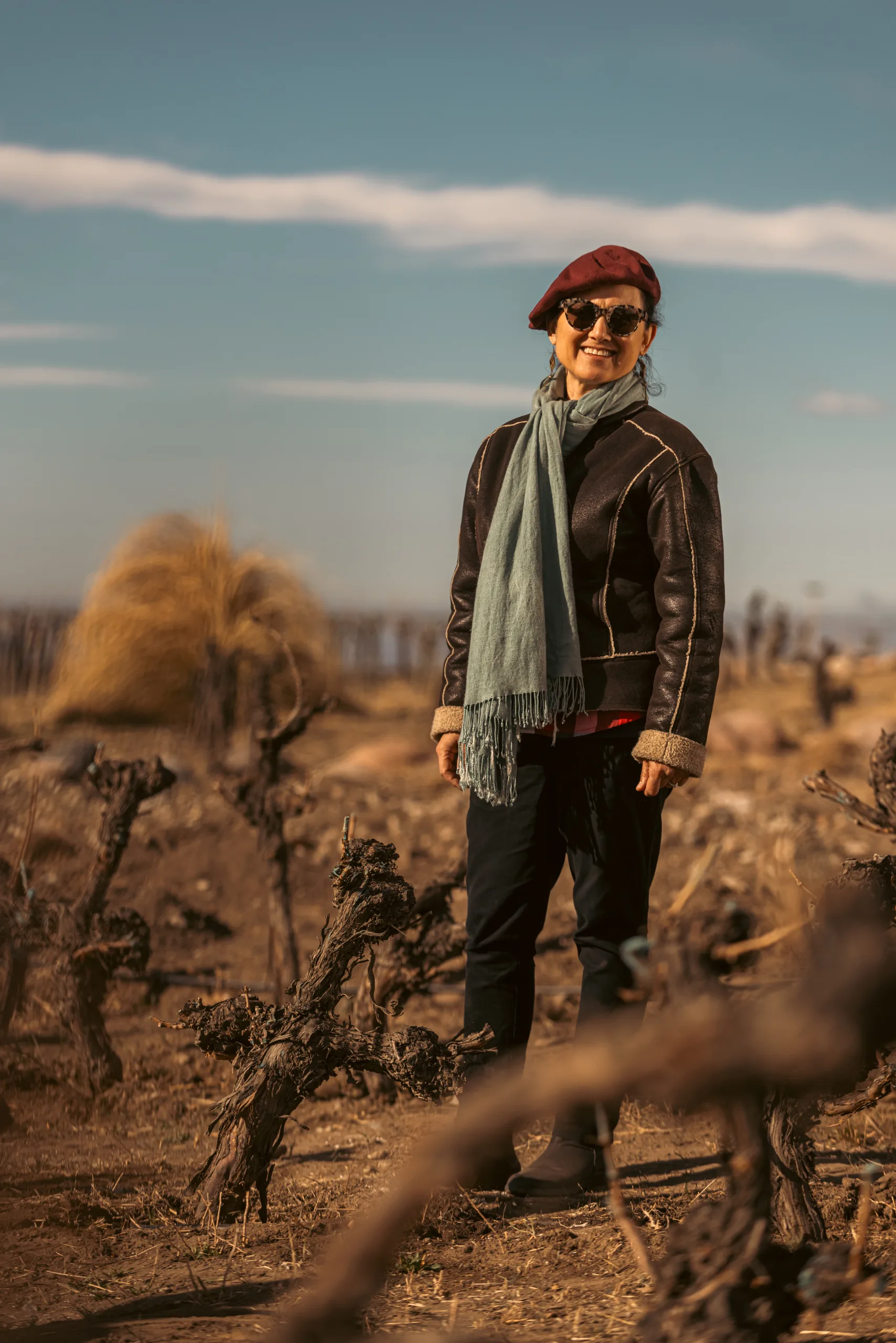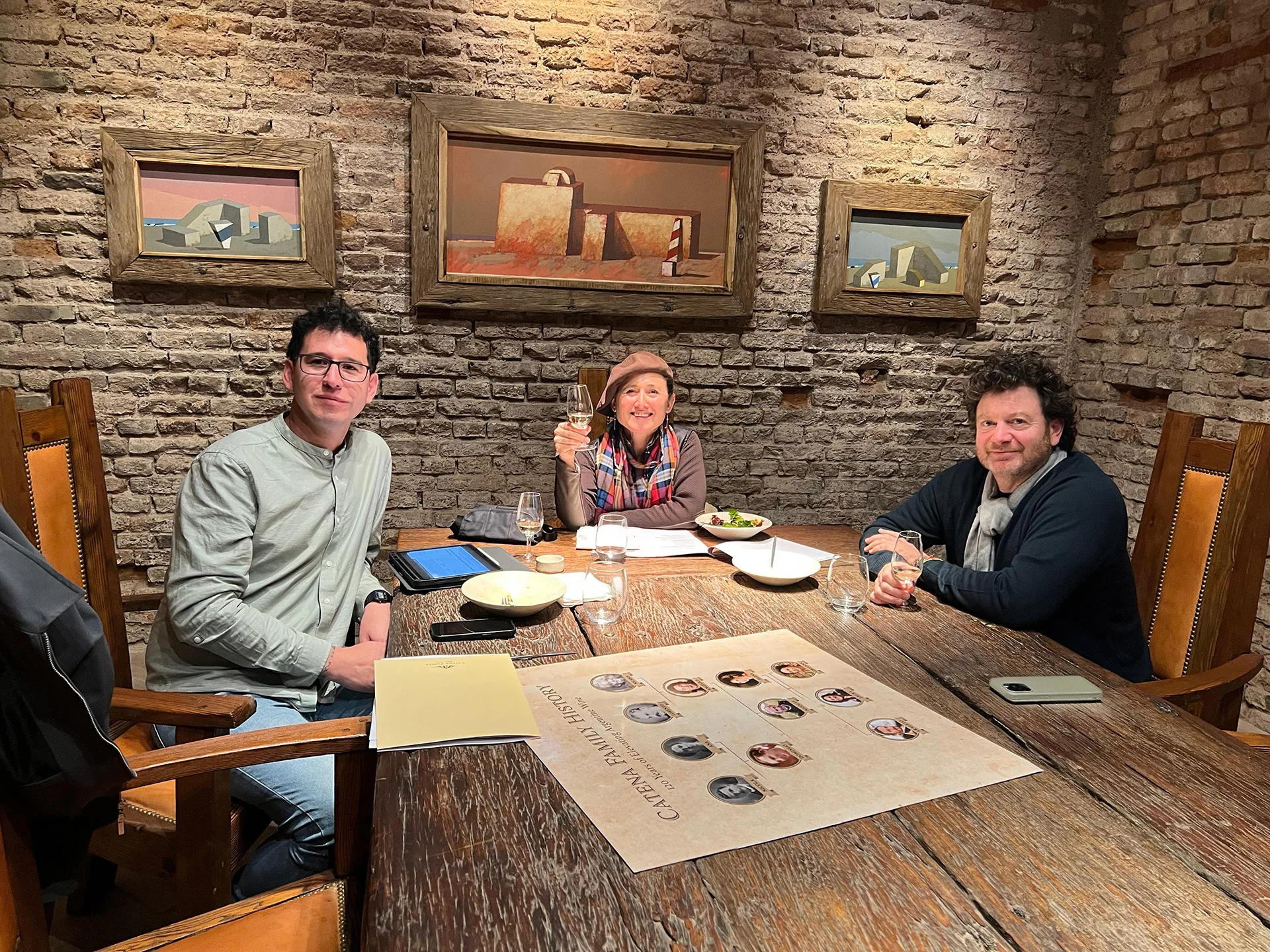
Laura Catena grew up in La Libertad—a small village in Mendoza, Argentina (libertad means “freedom” in Spanish). Her Italian heritage was an important part of her life growing up: her grandfather led the local Club Italiano, and the family made olive oil and prosciutto following Nonna Anna and Nonno Nicola’s recipes. Girls weren’t allowed inside the winery, so Laura and her grandfather bonded through a shared love of animals—vineyard horses and a loyal troop of Collies and German Shepherds. Because she was tiny and never sat still, her grandfather affectionately nicknamed her La Lauchita—the little mouse.
Later, the family moved to Buenos Aires, Argentina’s capital and the center of fine wine consumption. In the 1980s, political unrest—military rule, war, kidnappings, and bombings—prompted her father to move the family to California, where he was invited to UC Berkeley as a visiting economics scholar. Laura completed high school in Berkeley and went on to study biology at Harvard University.
“I loved science and wanted to help people,” says Laura. “Wine wasn’t on my radar—that was Papá’s world. So I headed to medical school and specialized in emergency medicine. My grandfather was right—I couldn’t sit still.”
While Laura trained as a physician, her father was starting a wine revolution in Mendoza. His goal: create Argentine wines that could stand with the the best in the world. At early tastings abroad, people praised the wines but didn’t think they could sell Malbec. Malbec was largely an unknown entity in the wine world at the time.
During her Emergency Medicine residency in Los Angeles, Laura began helping at wine events in the U.S.—initially just to support her family. Her father insisted her fluent English accent would help the cause (though she later realized he was simply trying to involve her). Falling in love with wine was inevitable, says Laura—not just the taste, but the culture, tradition, and vineyard biology.
“All it takes is a few minutes among the vines
—the whispering leaves, birds in motion, lunch
between the vines, and a sip of an aged bottle—
to fall for the ancient art of winemaking.” — Laura Catena
A pivotal trip to France as her father’s translator brought two revelations. First: the extraordinary quality of French wines and their dominance atop the global wine ladder. Second: the concept of old vines. In Bordeaux, no vine younger than 25 years was used in Grand Cru wines. That idea—the mythical value of old vines—would plant the seed for Luca.
Laura offered to help her father, Nicolás Catena Zapata, with viticultural research, knowing Argentina didn’t have centuries for trial and error like the Burgundian monks. Armed with scientific training, she founded the Catena Institute of Wine in 1995 to study high-altitude terroir and the Malbec variety. For the next 25 years, she would split her time between Mendoza, the emergency department in San Francisco, and representing Argentine wine across the globe.
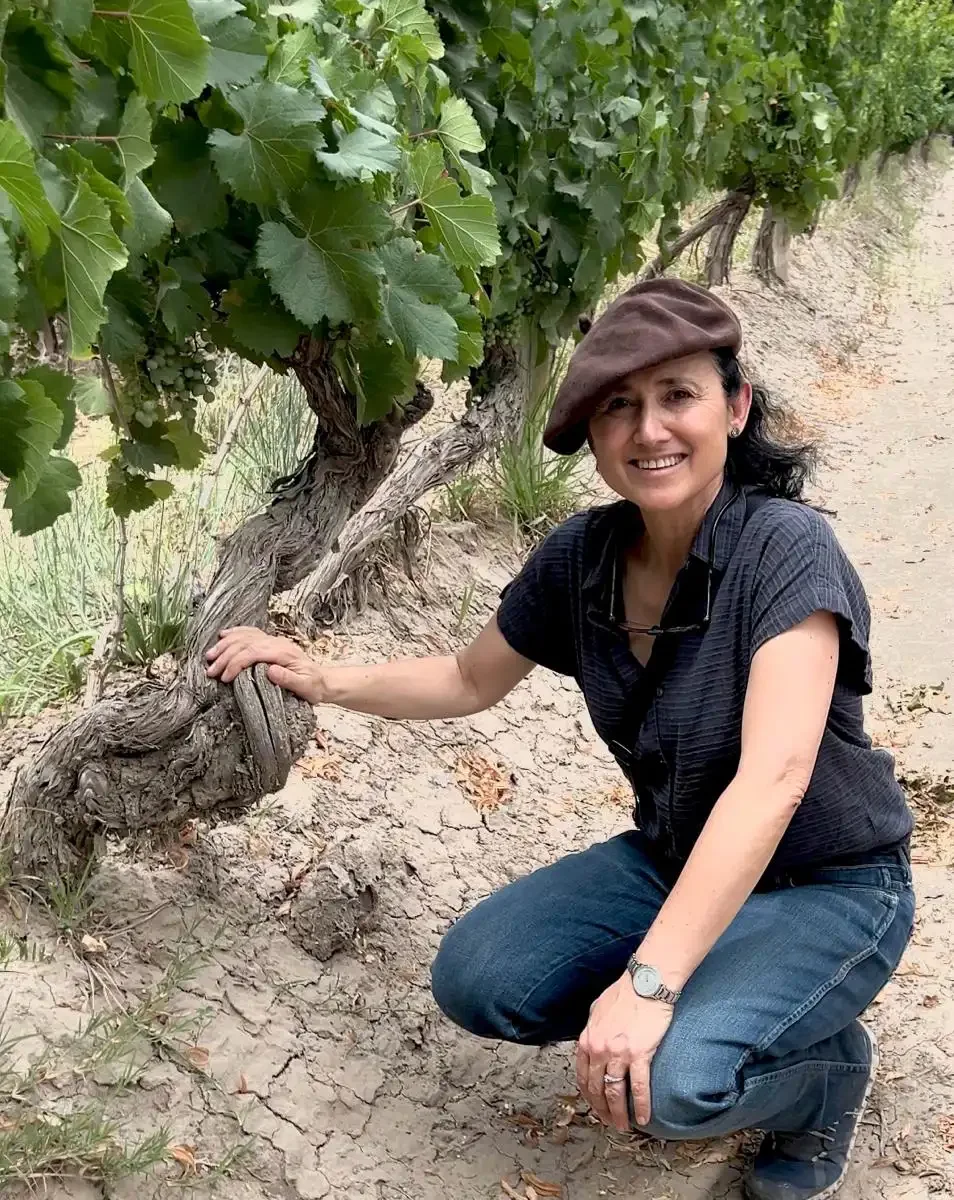
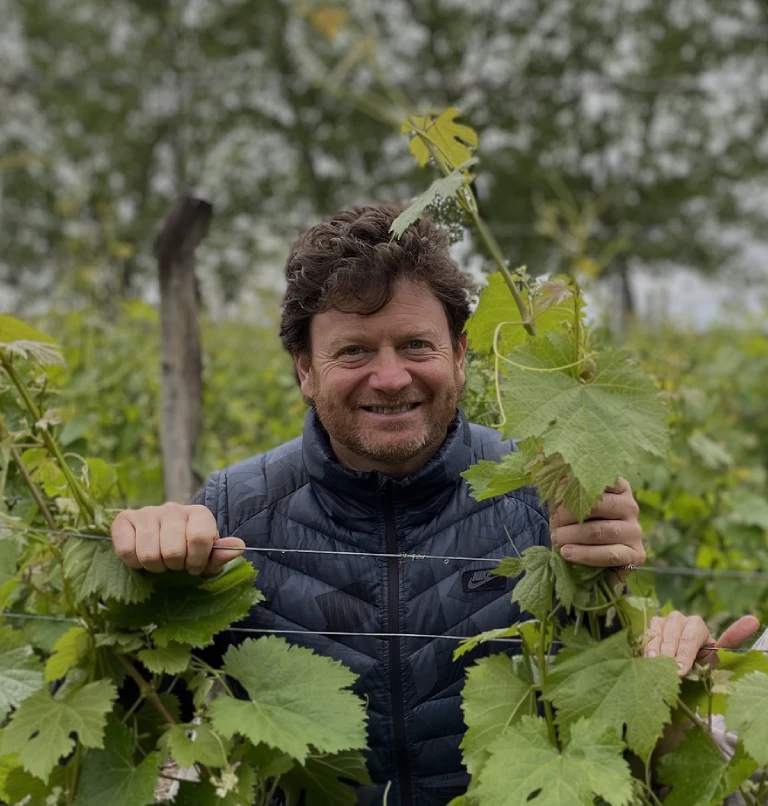
Luis Reginato is a third generation winemaker and viticulturist who has been working with Nicolas and Laura Catena since he graduated from Agricultural Engineering school in Mendoza in 1999. Today Luis is Vineyard Director for the Catena Zapata family vineyards and an active participant in the Catena Institute’s viticultural studies, focusing on high altitude, cool climate wine-growing. Luis’ winemaking talents run in his blood. His grandparents came to Argentina from the Veneto and Marche regions of Italy and settled in La Consulta in the southernmost part of the Uco Valley in 1907, where they took advantage of its abundant farming opportunities. Luis’ grandfather was a barrel maker and viticulturist, and his father Jose and brother Pepe also grew up in the wine business and today they are well known in Mendoza for the elegant sparkling wines that they produce at their family winery.
Luis has been an integral part of the work the Catena family has done to advance the Mendoza region.
Luis has a keen interest in the deep technical and artisanal sides of viticulture and winemaking. He has thrived working at Catena, honing his skills over the last 20 years. Alongside Laura and her father Nicolas Catena, Luis is committed to studying the Argentine wine terroir. Most recently, Luis was responsible for working with the Catena Institute to create a Sustainability Certification for Argentina and to provide the scientific basis for establishing Paraje Altamira, Gualtallary and Los Chacayes new formal appellations in the Uco Valley of Mendoza. Luis is responsible for planting many of the Catena family’s high altitude vineyards over the last 15 years and he has worked closely with Laura Catena on sourcing old vines from the Uco Valley for the Luca wines.
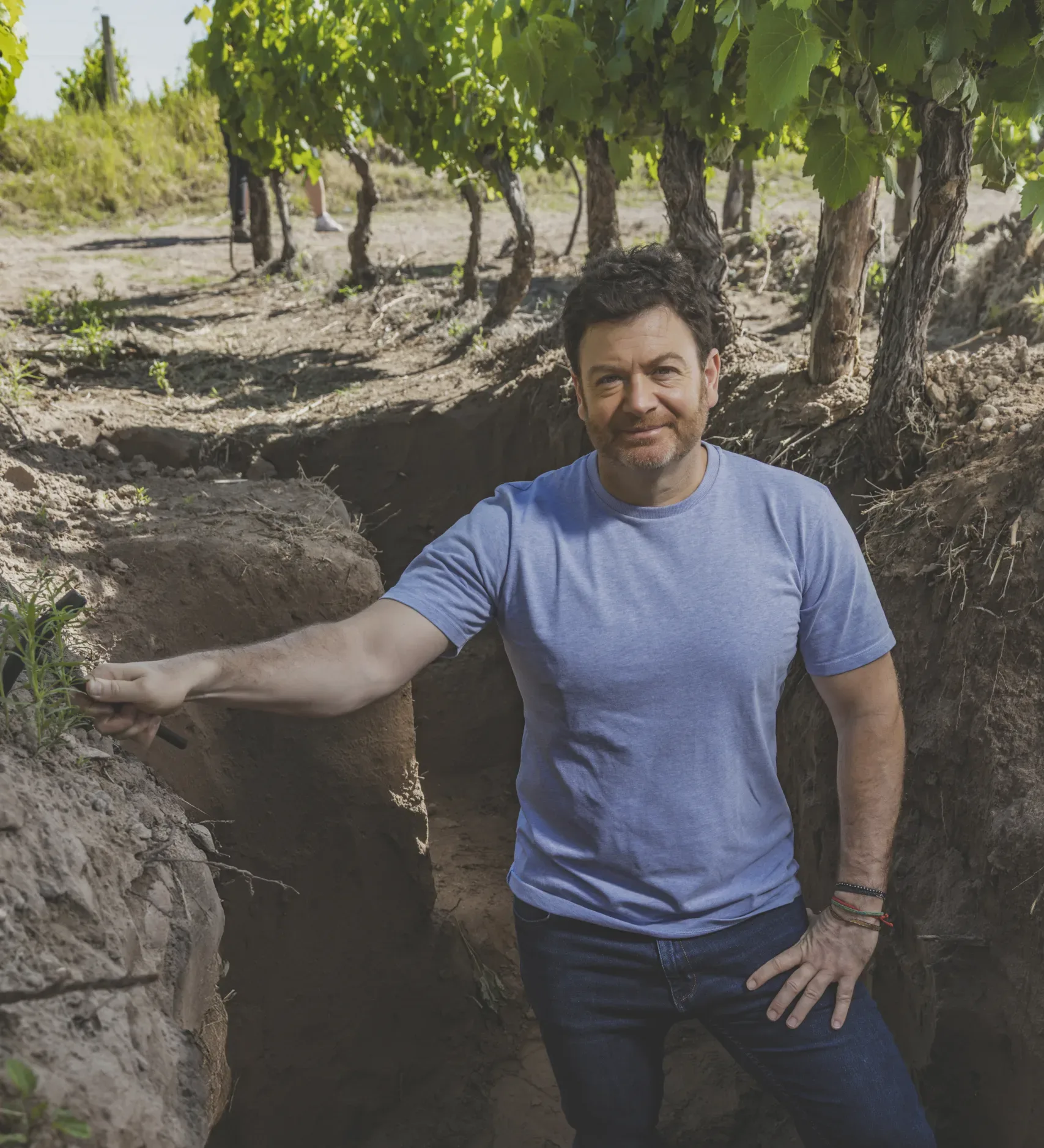
Roy Urvieta has been working with Laura Catena since 2008. Today, Luis and Roy work together at Luca and Domaine Nico to preserve old vines and showcase to the world the beauty of high-altitude wines from Mendoza.
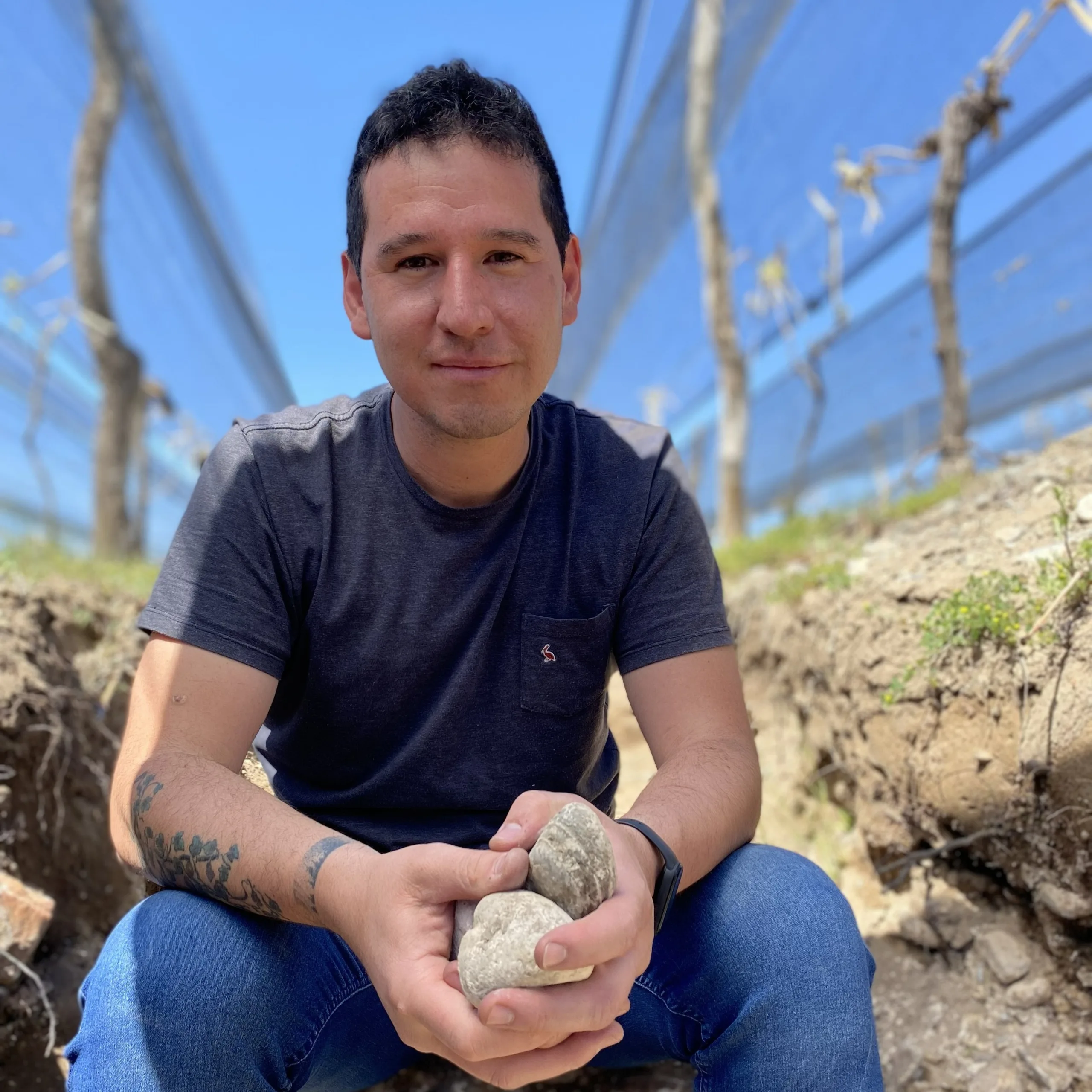
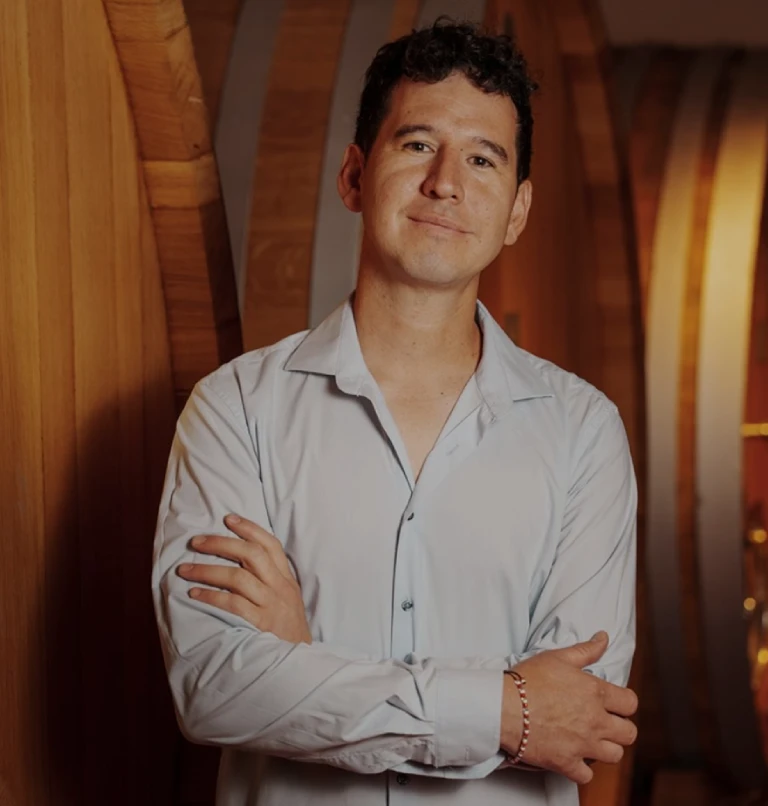
Roy Urvieta was born and raised in La Consulta, a subregion of the Uco Valley in Mendoza, Argentina. Initially drawn to computers and technology, he worked one summer at the family winery Catena Zapata as a teenager, which redirected his interest toward viticulture and oenology.
Today, Urvieta is a viticultural scientist and winemaker who emerged from the research team at the Catena Institute of Wine in Mendoza. He became widely known for his contributions to groundbreaking research on terroir and plot-level differentiation—especially in Malbec wines. His doctoral work at the University of Buenos Aires (UBA) focused on the sensory-phenolic characterization of Malbec vineyards across multiple Mendoza subregions. One of his most notable studies examined 23 plots in 12 geographical indications, analyzing volatile compounds, phenolics, and sensory profiles from hundreds of wines over multiple vintages. The results demonstrated that individual plots could be reliably distinguished by a measurable chemical fingerprint, establishing the scientific basis for terroir.
In addition to his research career, Roy Urvieta is the winemaker at Domaine Nico (a project by Laura Catena), where he focuses on producing high-altitude Pinot Noir in the Uco Valley. His work alongside Luis Reginato includes clone trials, plot division, and expressing vineyard typicity.
His rapid rise in the Argentine wine industry earned him recognition as a “rising star” in South American wine by renowned critic Tim Atkin.