Why They Matter
Argentina is a global reservoir of old, genetically diverse, and own-rooted (ungrafted) vineyards, a key factor in the quality and character of its wines. The mission to preserve Mendoza’s old vines rests on three fundamental pillars that transcend the technical aspects of agriculture.
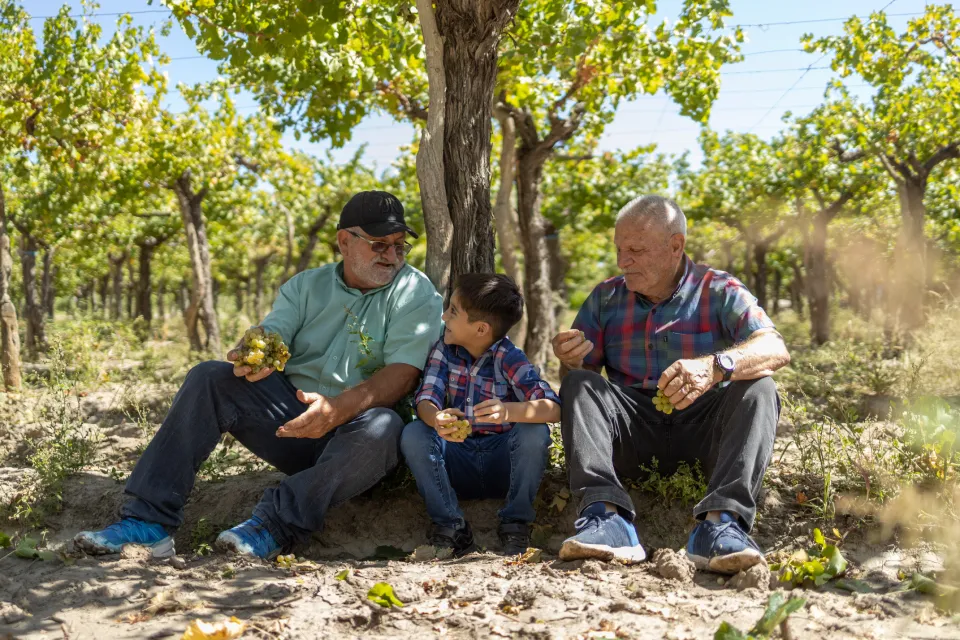
Sentimental
and ethical
An old vine is a complete ecosystem, a community of insects, birds, fungi, and microbes that have coexisted for years.
Like a seasoned artisan, it may produce less fruit, but it is a living being of irreplaceable character, containing the accumulated knowledge of the soil, the climate, and the hands that have cared for it over decades.
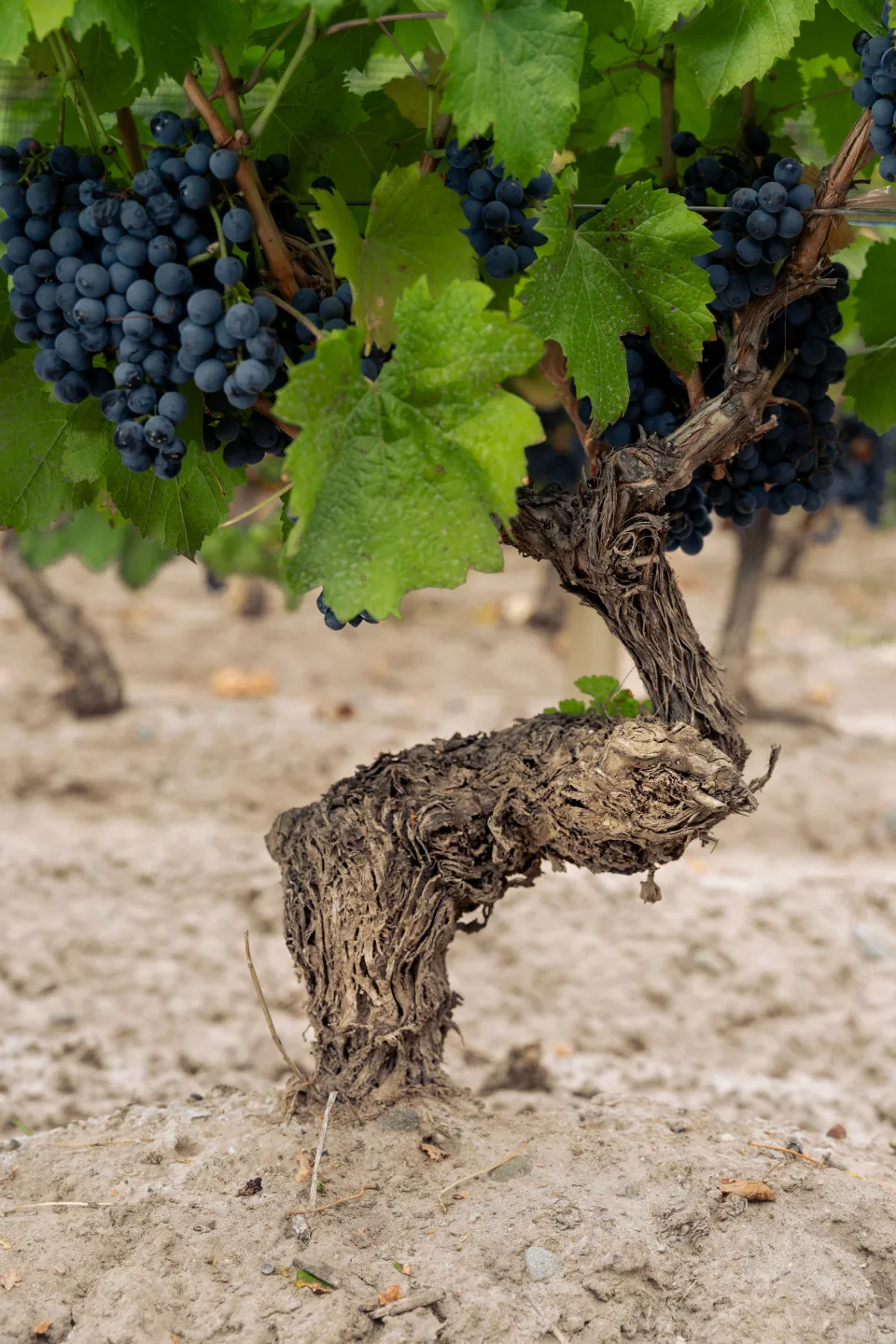
Cultural
Mendoza’s old vineyards are a snapshot of pre-industrial viniculture.
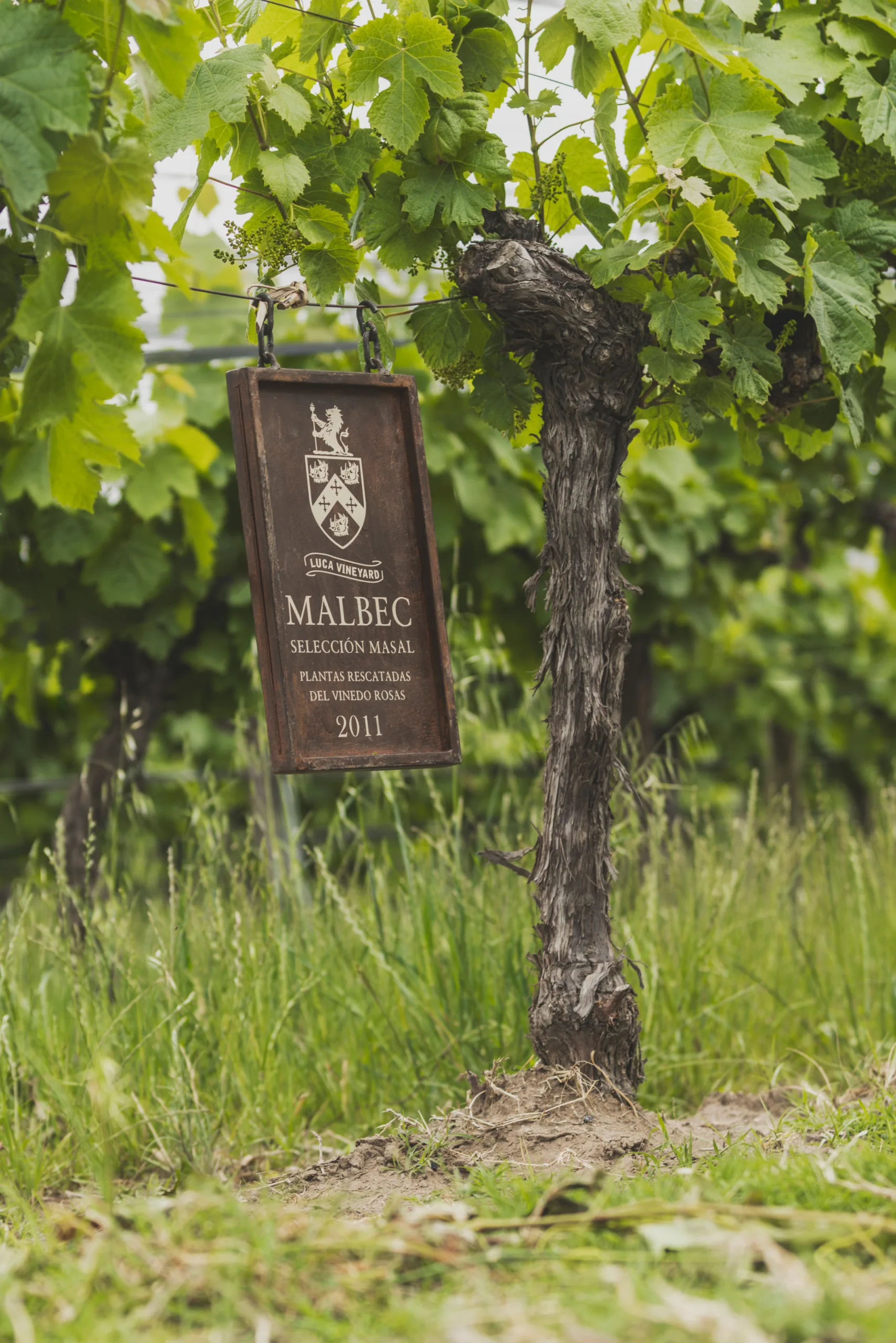
They contain pre-phylloxeric massale selections that are living links to our shared heritage. Maintaining them is crucial for preserving a history that, once uprooted, is lost forever.
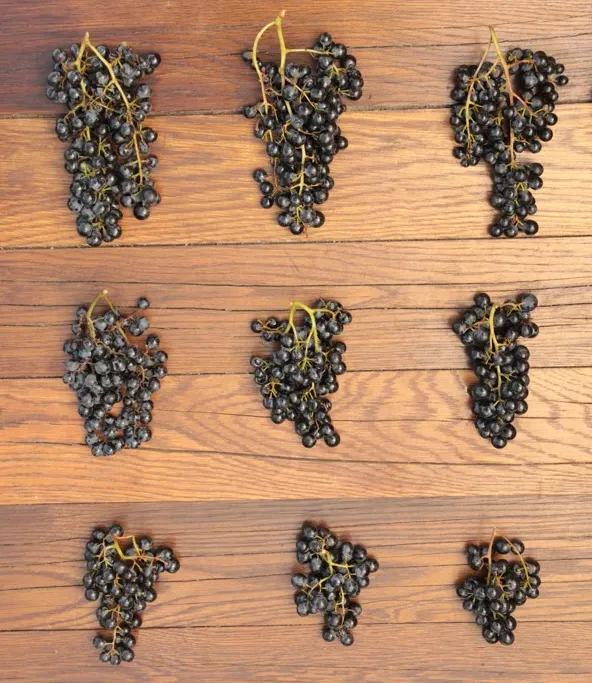
Genetic
The genetic diversity preserved in these old vines is an essential bank for the future of viticulture.
In a world where modern vineyards are increasingly uniform, biodiversity is a critical resource. Most of Argentina’s old-vine vineyards are planted with massale selections, not uniform clones—resulting in high genetic diversity among the vines. As climates shift, genes that allow vines to ripen later or withstand drought may prove vital. In the words of South African viticulture researcher Etienne Neethling, when it comes to preserving the genetic wealth of wine, “the New World could save the Old World.”
The Legacy of Malbec
Malbec’s fate was rewritten in Argentina
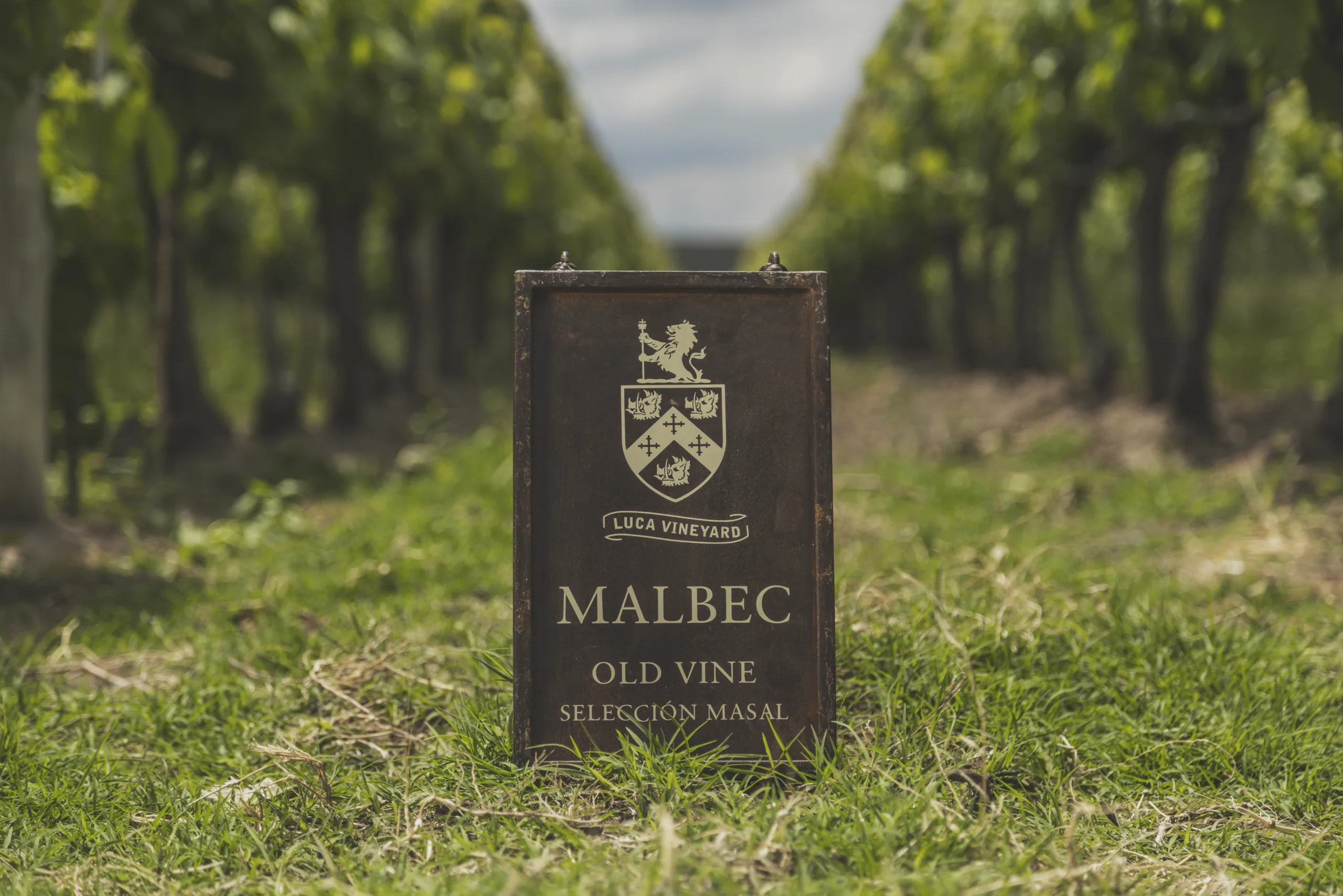
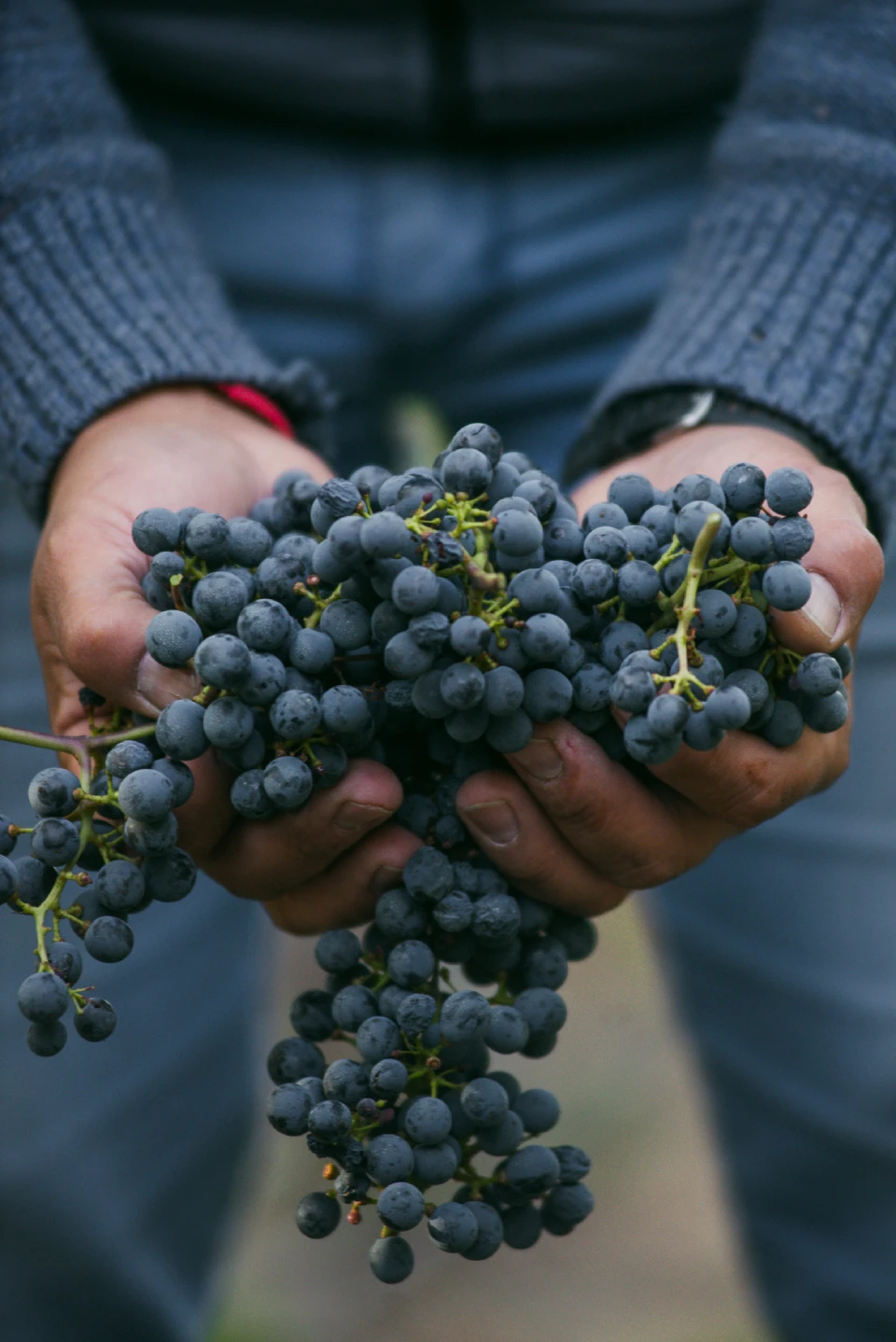
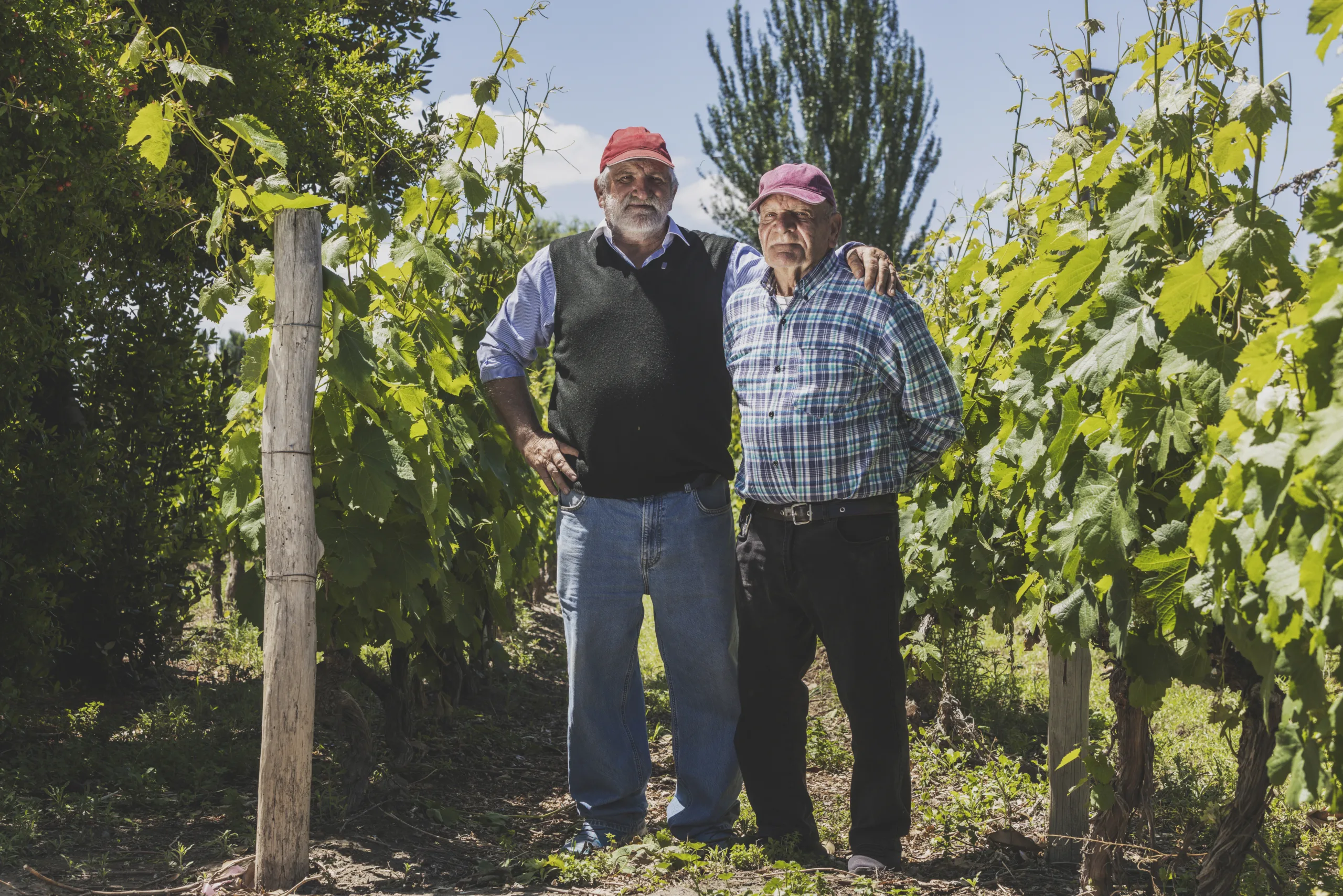
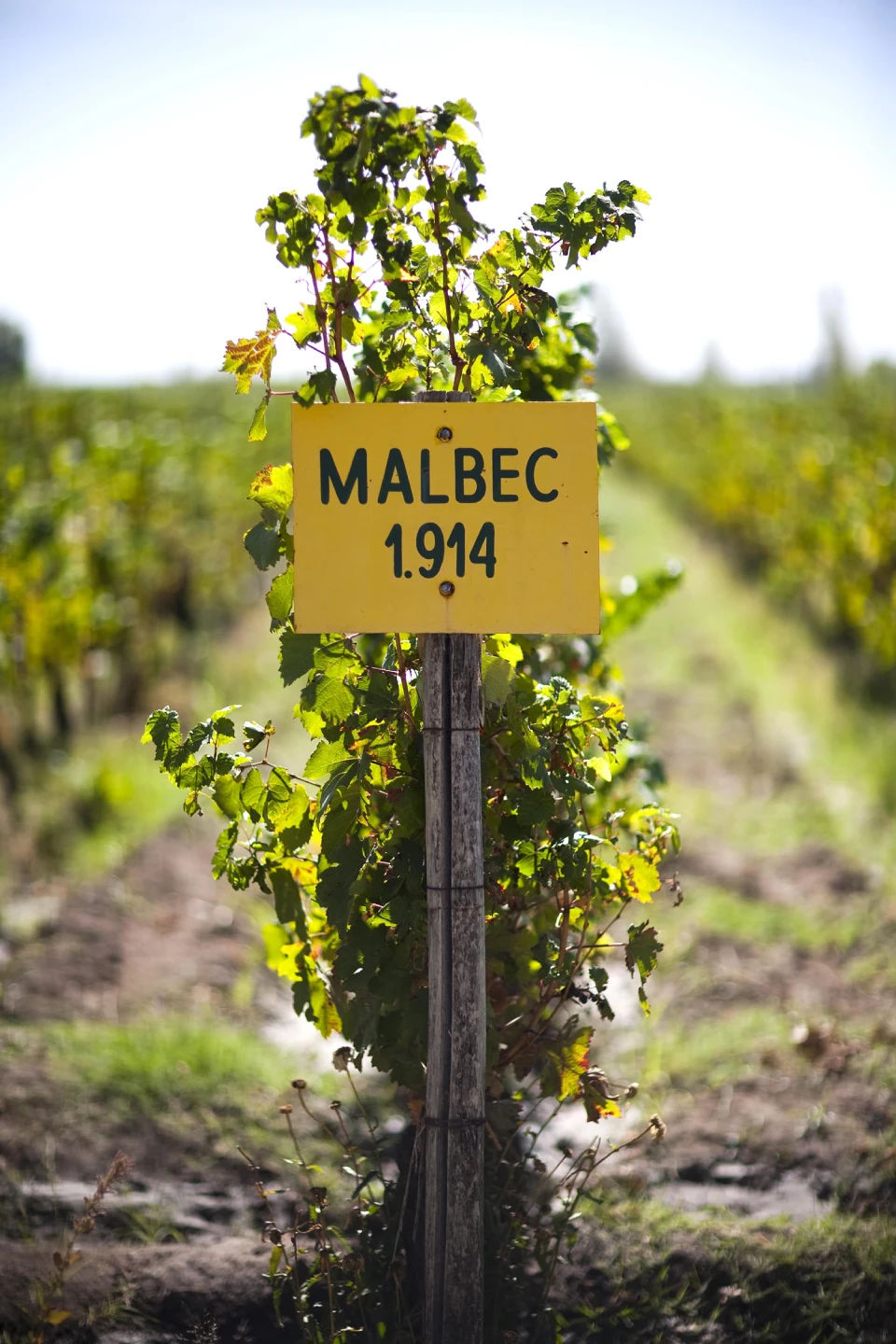
These vines were planted at a pivotal moment in history, right before the phylloxera epidemic. Mendoza’s high altitude and dry climate suited them perfectly.
— Laura Catena
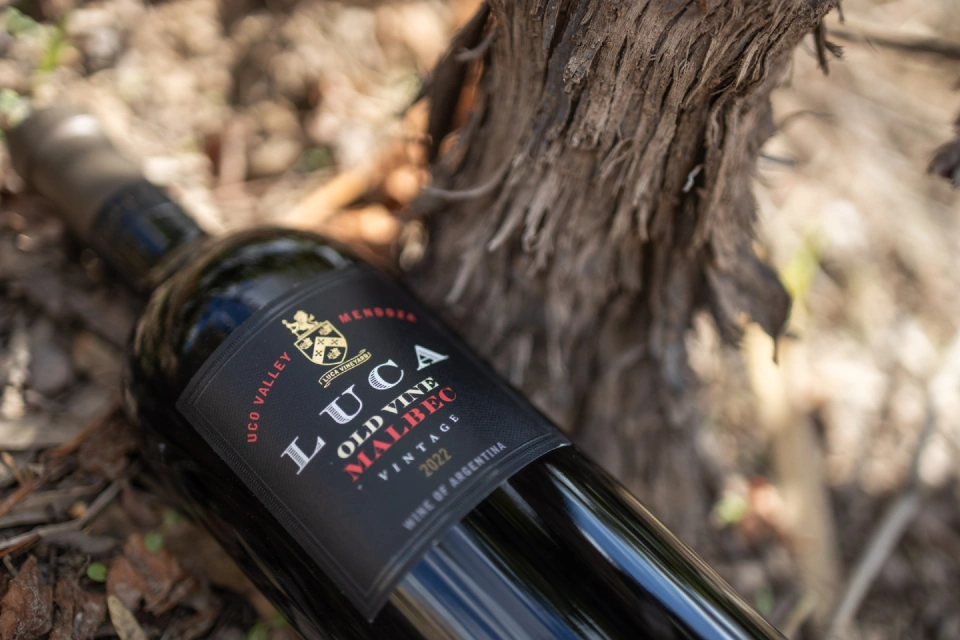
These selections are a living link to Malbec’s pre-industrial past, offering a taste of place that cannot be replicated.
—
Old Vines by the Numbers
Argentina contains what is believed to be the largest area of ungrafted massale plantings in the world. The singularity of Argentina’s viticultural heritage, built over a century, is best illustrated by the data, which quantifies the scale of this historic resource when compared with the rest of the wine world. In fact, as Decanter magazine reported, the country could contain more than 150,000 hectares of ungrafted massale plantings.
Vines planted
before 1970
Argentina: 25,564 ha
Rest of the world:
Data varies
Massale (non-clonal)
vineyards
Argentina: 89.8%
Rest of the world:
< 5% (approx.)
Ungrafted
vineyards
Argentina: 92%
Rest of the world:
Significantly less
Old Vines Q&A
An old vine is like a seasoned artisan; it may produce less fruit, but its work contributes irreplaceable character.
- Laura Catena
An old vine is generally defined as one older than 25 to 50 years, depending on who you ask. A vine that has lived that long in one place reaches a level of balance with its environment that is essential for crafting wines of the highest quality.
A traditional way of preserving the genetic heritage of old vineyards by selecting diverse cuttings from the healthiest and most exceptional individuals.
The slightly staggered ripening that results from massale selection provides the vineyard with greater resilience against frost and other extreme weather events. The vine-to-vine variability in ripening times, cluster sizes, and sun exposure is the key to producing wines with layered textures, profound complexity, an exceptional aging potential. It is no surpise that our best Malbec, Cabernet Savignon, and Bonarda wines come from ungrafted massale vineyards.
This refers to Vitis vinifera plants that are grown on their own roots and not grafted onto American rootstocks. Ungrafted old vines have demonstrated a longer lifespan and lower susceptibility to certain viruses.
Genetic diversity creates natural, vine-to-vine variability in ripening times and cluster sizes within the same parcel, a key element in producing wines with greater flavor complexity and layered textures. In difficult vintages LUCA’s genetically diverse massale plantings are the most resilient, because a spring frost will result in less damage to vines if they are different stages of ripening.
It’s true that old vines typically yield 50% less fruit than their modern counterparts, averaging just 3 to 4 tons per hectare. The berries are smaller, but that only creates a higher skin-to-pulp ratio. This natural concentration results in wines with more intense flavors, higher levels of tannins, and balanced acidity, all of which contribute to complex textures and outstanding aging capacity and, of course, a taste of terroir.
Over the years, the permanent structures of a vine—trunk, arms, and roots—thicken, increasing its capacity for storing energy reserves. These critical reserves provide energy for budburst and help the vine ripen its fruit during stressful events like drought or heatwaves. This internal resilience is complemented by an extensive root system that can stretch 3 to 6 meters deep, accessing water and nutrients from far below the surface. A 2022 study on Zinfandel in California, for example, confirmed that old vines displayed greater effective rooting depths than young vines. Together, these factors give old vines a profound natural balance, allowing them to produce low, concentrated yields without needing human intervention like green harvesting.
In Mendoza, traditional flood irrigation floods river water into vineyards through a complex network of canals, encouraging deep root systems. Drip irrigation delivers water straight to the plant roots.
Polyculture replicates nature’s ecosystems in the planting of different crops together to promote biodiversity and sustainability.