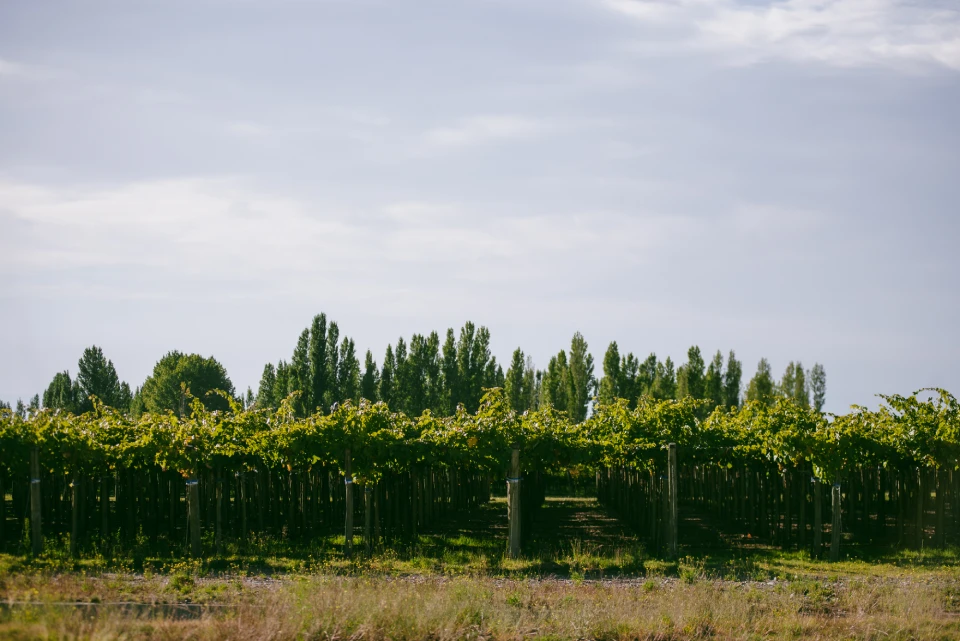
Vineyards: Where Our Grapes Are Grown
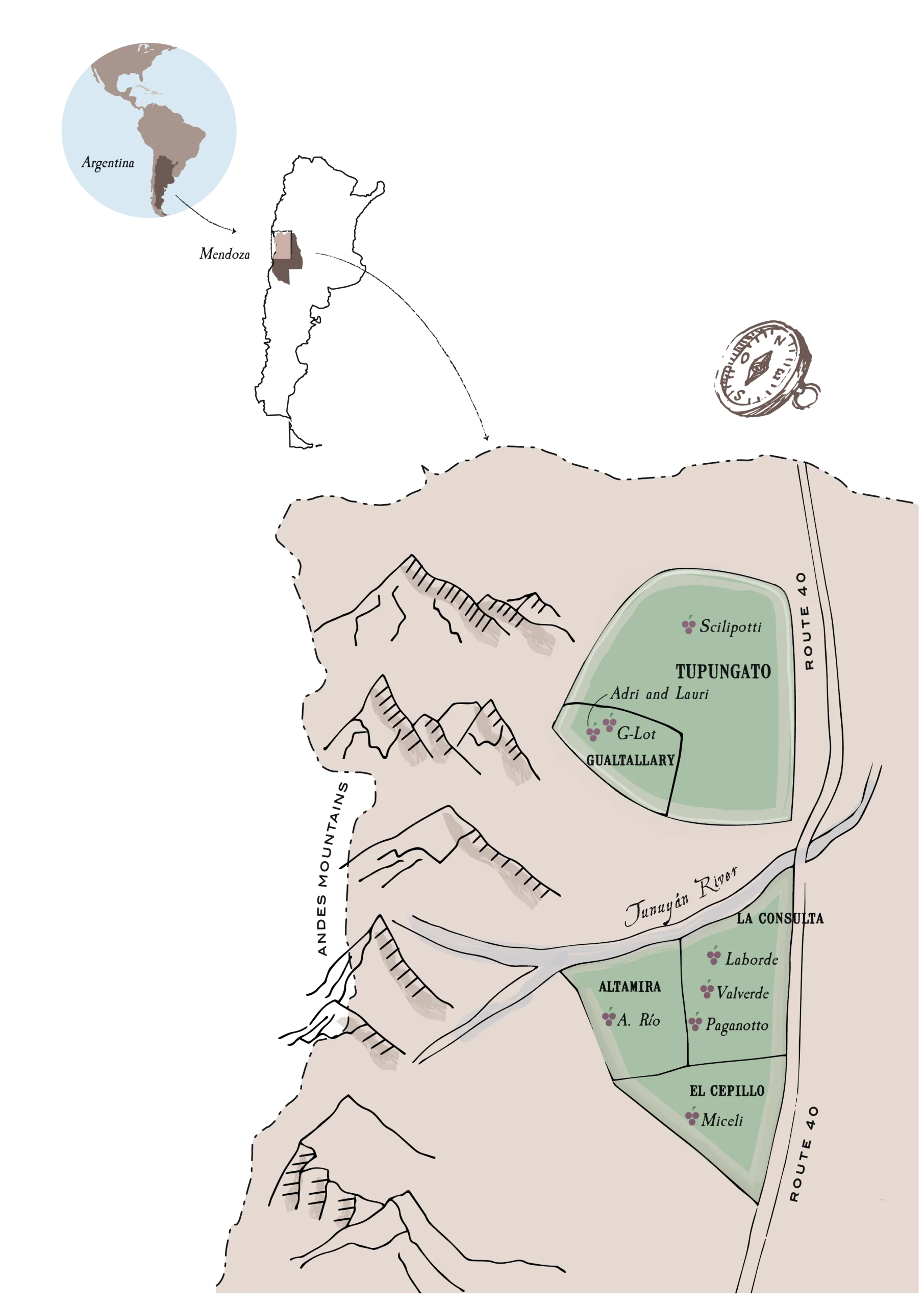
G-Lot
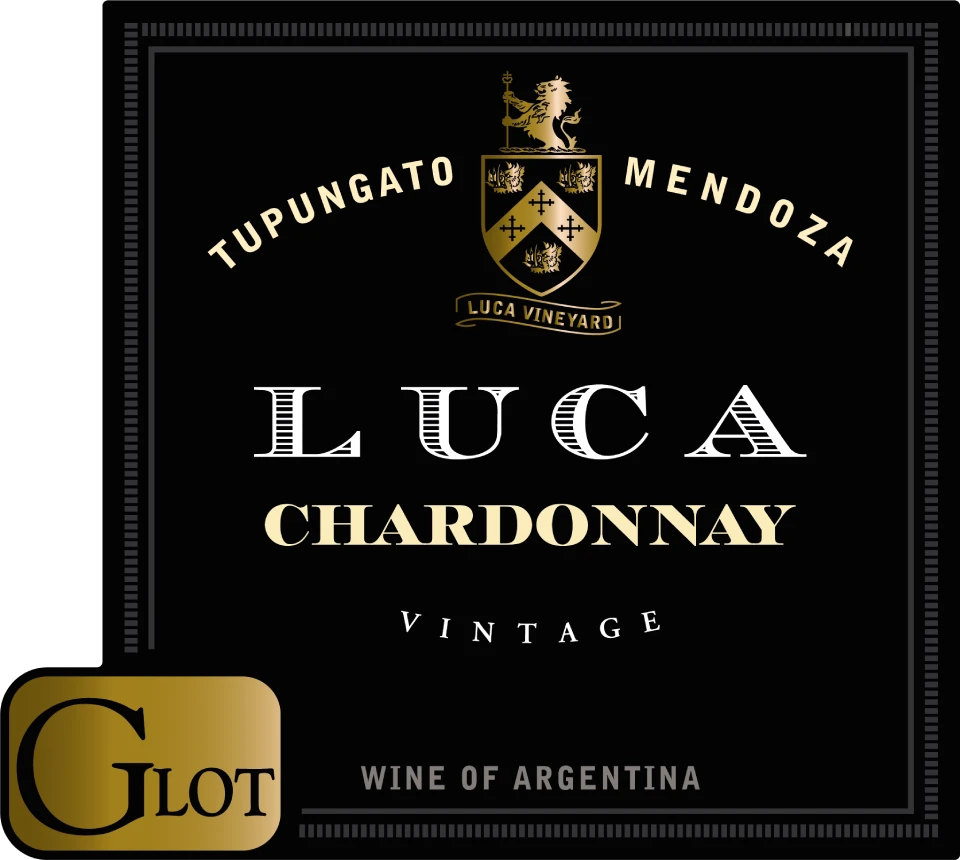
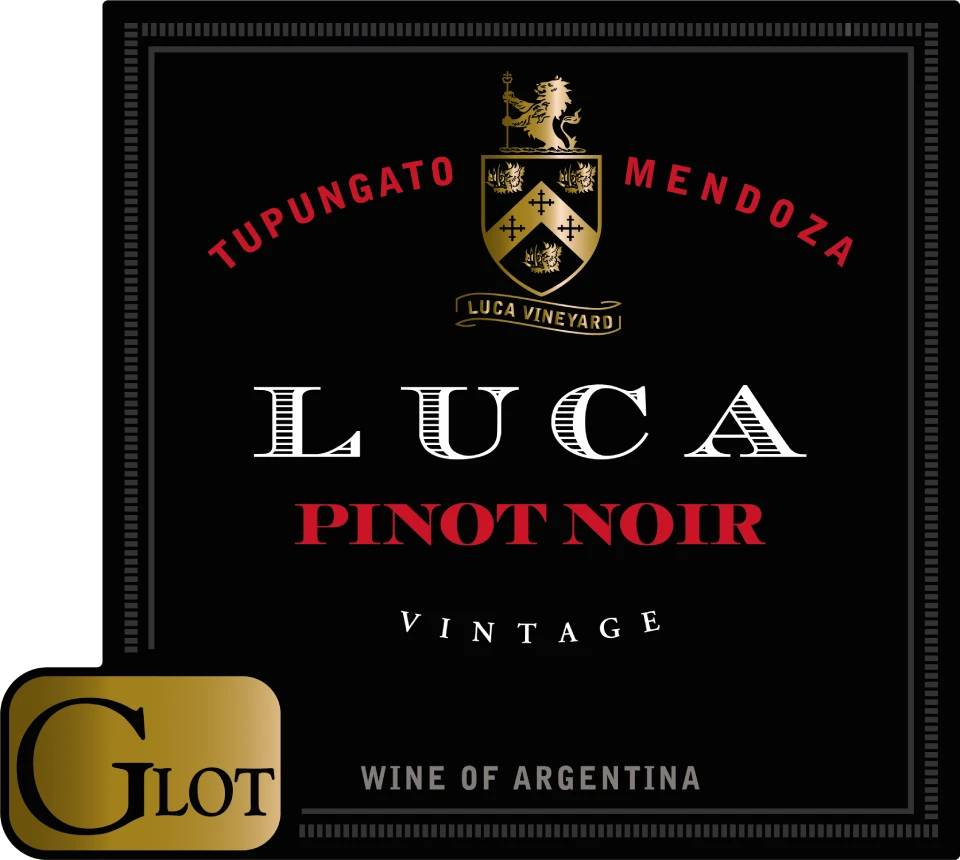
Catena’s high-altitude revolution began with the G-Lot Vineyard.
The 1992 planting of a new terroir in Gualtallary was the culmination of Nicolás Catena Zapata’s quest to plant vines at the altitude limit of vine cultivation—and a pivotal point in Argentine wine history. The G-Lot was the first vineyard planted in the area at nearly 5,000 feet (1,500 meters) of elevation. This site also allowed LUCA to become the first winery to produce single vineyard Chardonnay and Pinot Noir from Gualtallary at that elevation.
The extreme conditions, intense sunlight, rocky-calcareous soils, and cold nights combine to produce wines with wonderful complexity and vibrant acidity. The vineyard is planted with a few specially chosen Dijon clones.
Laborde
The Laborde vineyard is the source of LUCA’s unique Syrah, born from a scientific pursuit that began over half a century ago: a singular, one-of-a-kind “double massale selection” process.
The story starts in the 1950s with renowned viticulturist Luis Laborde, a researcher at Argentina’s National Agricultural Technology Institute (INTA) station in La Consulta.
Find more about Laborde´s Old Vineyard in the Old Vine Registry
Scilipotti
The Scilipotti family’s viticultural legacy in the Uco Valley began in 1930, when Ignacio Lais planted his first Malbec vines in La Arboleda, Tupungato.
The tradition was carried on by his daughter Cristina and her husband, Ángel Scilipoti, and today, their youngest son, Osvaldo, manages the vineyards alongside his own children. Laura Catena has been collaborating with the Scilipotti family since 1999.
LUCA sources grapes from two distinct plots managed by the family in La Arboleda, Tupungato, both situated at 1,066 meters of elevation.
Find more about Scilipotti´s Old Vineyard in the Old Vine Registry
Valverde
The story of the Valverde family vineyard begins in 1954 with a remarkable woman: Rosa Richard de Valverde.
Widowed at 34 with eight children, she made the decision to plant four hectares of Malbec on her estate in La Consulta, Mendoza. The vineyard was tended first by Rosa and her eldest son, Tomás, and later by her other sons, with the youngest, Simón, acquiring the property in 1996. Today, the third generation of the Valverde family, represented by Simón’s sons, continues to manage the vineyard, preserving the family’s traditional practices.
Laura Catena began working with the Valverde family in 1999, and year after year since, the Malbec from this historic vineyard has been a crucial component of LUCA Old Vine Malbec.
Find more about Valverde´s Old Vineyard in the Old Vine Registry
Paganotto
The story of the Paganotto family vineyards begins in 1884, when Juan Paganotto’s grandfather arrived in Mendoza from Veneto, Italy, just 14 years old.
He established a thriving wine trade, and in 1956, his son purchased a historic Malbec vineyard in La Consulta. Laura Catena has worked with the Paganotto family since the founding of LUCA Wines in 1999, and grapes from their vineyards have been a fundamental component of LUCA Old Vine Malbec and the Beso de Dante blend ever since.
The family owns two historic ungrafted Malbec vineyards in the La Consulta district of San Carlos, Uco Valley.
Find more about Paganotto´s Old Vineyard in the Old Vine Registry
Adri and Lauri
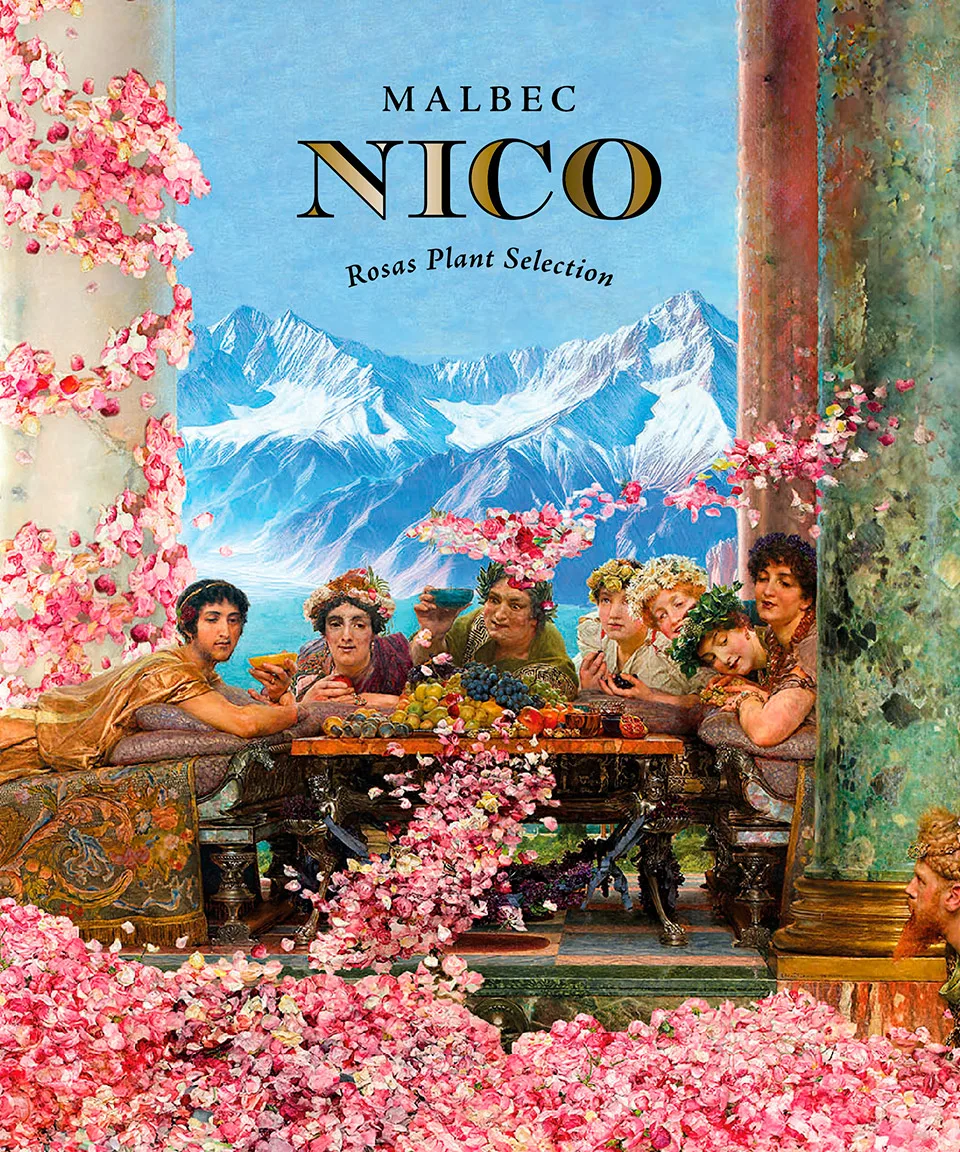
The Catena Sisters had long been searching for a special place to plant a vineyard together.
They found it in Gualtallary Alto, a site defined by its extreme high altitude and calcareous soils. The decision was solidified after soil studies conducted by the Catena Institute of Wine confirmed the location’s potential. For Laura, the choice was also sentimental; she remembered her grandfather, DV Catena, saying, “if the peaches were good, the wine would be good,” and the fruit from an orchard on the property tasted particularly delicious.
In 2010, when the historic Rosas vineyard was at risk of being uprooted, its unique Malbec massale selection was rescued and replanted here, in the Adri and Lauri Vineyard, at over 5,000 feet of elevation.
Benefits of Prephylloxeric Malbec Vines
“Old vines yield less but deliver more textured tannins and a finely attuned taste of place or taste of terroir complex wines” Laura Catena says, a principle supported by a unique combination of viticultural advantages. A vine that has lived for more than 35 years in one place reaches a level of balance with its environment that is essential for crafting the highest quality high-quality wines.
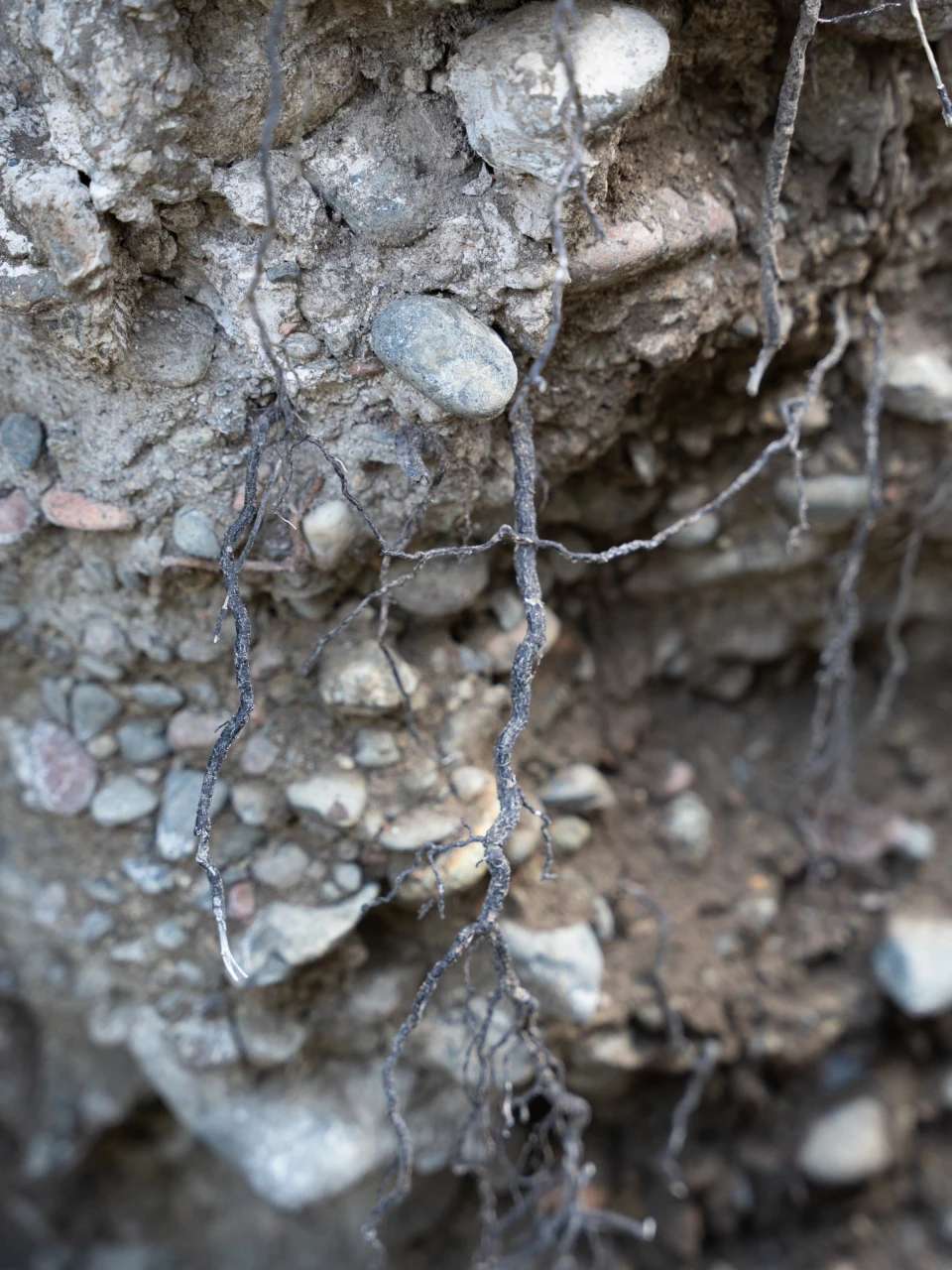
Vine Capacity and Natural Balance
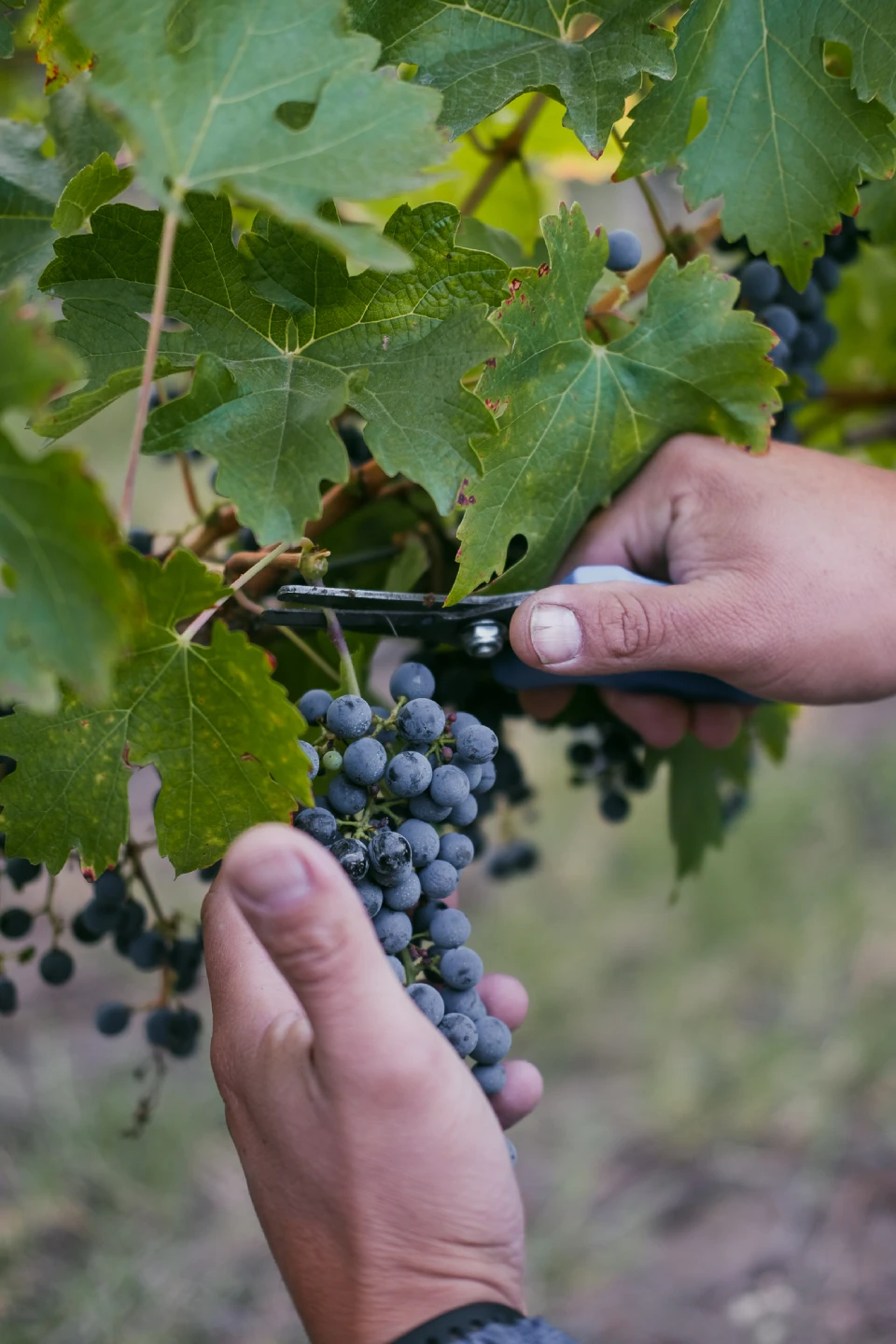
Concentration and Structure
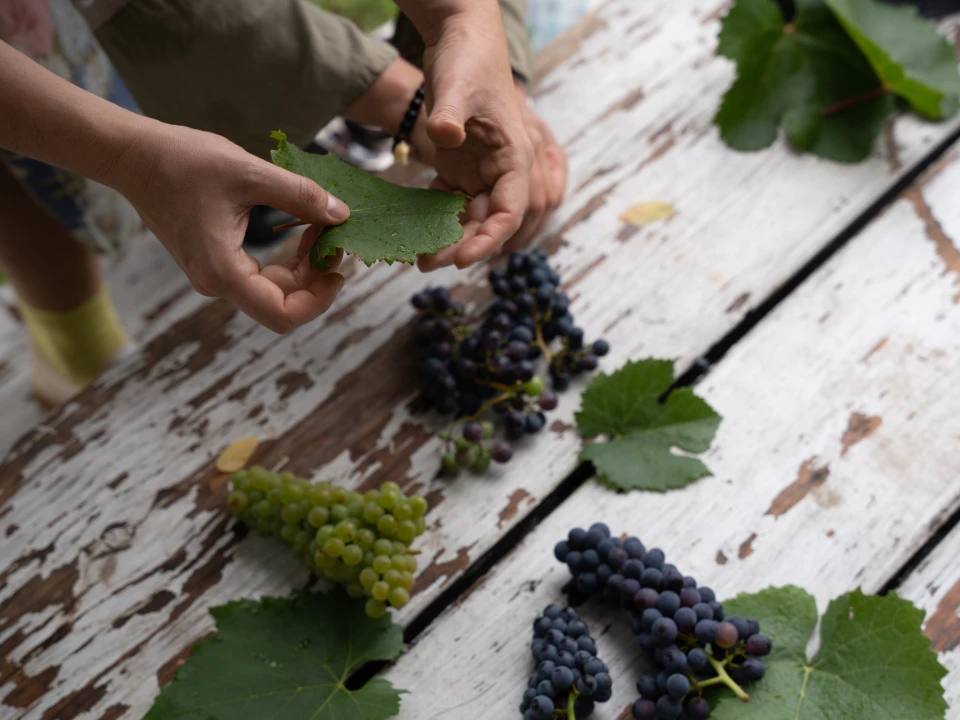
Genetic Diversity and Complexity